
Imagine you’re a boutique brand planning a winter line for the 2025 season, and you’re staring at two glossy swatches: one with a plush, curly pile that feels like a warm hug, the other a sleek, brushed surface that’s lightweight yet surprisingly insulating. The decision isn’t just about aesthetics; it’s about where the fabric will perform, how it will feel against the skin, and whether the production cost fits your margin. This article breaks down Sherpa fleece versus Polar fleece, comparing warmth-to-weight, hand feel, durability, printability, pricing, MOQ, care, and typical garment applications so you can choose the best fit for your target market.
We’ll wrap the technical specs into a clear decision table and then zoom into regional preferences—US, EU, and Middle East—so you can align product selection with consumer expectations. By the end of this piece, you’ll know which fleece delivers the highest sales potential for your next winter drop and why.
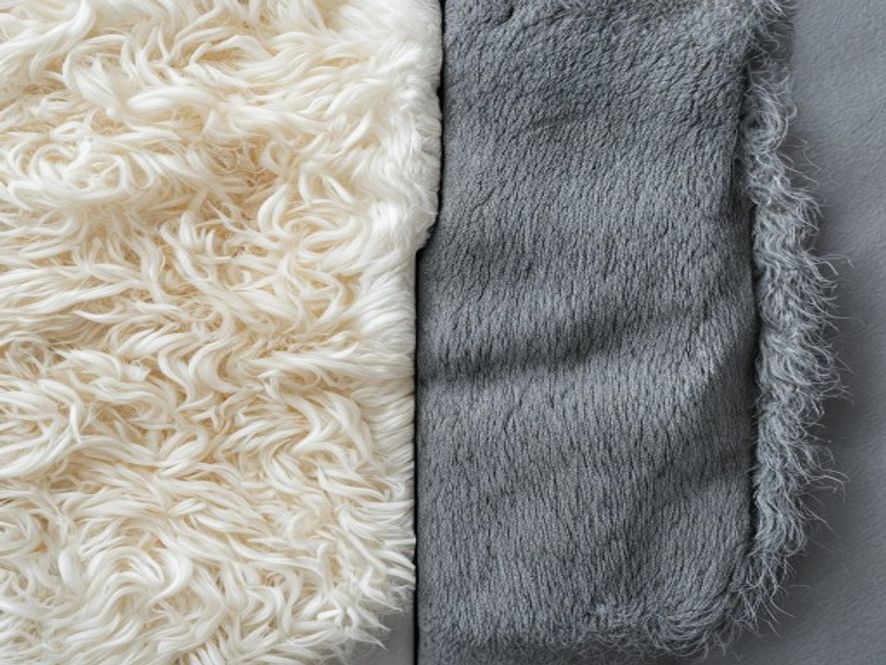
Defining the Two Champions: Sherpa vs Polar Fleece
The textile market has long celebrated two variations of fleece as staples for winter apparel: Sherpa fleece and Polar fleece. Though both share the same polyester base, their structure, weave, and finishing treatments create distinct performance profiles that dictate where each shines.
Structural DNA
- Sherpa fleece – knitted construction, machine‑drawn yarns spun into a dense, curly, lamb‑like pile. Typical pile height ranges from 3–5 mm, giving a “fluffy” sensation on the face side.
- Polar fleece – woven or knotted polyester, then brushed on both sides. The brushed surface reduces bulk to 1–2 mm, producing a smooth, snag‑resistant texture.
Fabric Specifications
- Weight & Density
- Sherpa: 200–250 gsm (≈ 3.5–4.3 oz / yd²)
- Polar: 170–220 gsm (≈ 3.0–3.9 oz / yd²)
- Wicking & Moisture Management
- Polar fleece has a tighter weave, providing better wicking for active wear.
- Sherpa’s pile traps air but offers less surface area for moisture escape.
- Sun Exposure & UV Resistance
- Both fabrics are polyester‑based and inherently UV stable, but the brushed finish on polar fleece reflects light more effectively, reducing heat buildup.
Production & Supply Considerations
- Yield per loom: Sherpa typically yields 800–900 m per 100 kg batch; Polar yields 1,000–1,200 m.
- Lead time: 5–7 days for Sherpa, 4–6 days for Polar, assuming MOQ of 5 t.
- MOQ: 5 t for both fabrics; YITUO offers a 3 t pilot run for design validation.
Design Flexibility
Printing and embroidery are influenced by surface texture.
- Embroidery – Sherpa’s plush surface allows dense, three‑dimensional motifs without bleeding; Polar’s smooth finish offers crisp, fine stitching but requires tighter seam allowances.
- Digital printing – Polar’s even surface yields higher color clarity and faster cure times (≈ 2 min); Sherpa’s pile tends to absorb inks, requiring a pre‑coat or post‑fixation step.
Typical End‑Use
- Sherpa fleece – premium hoodies, luxury blankets, high‑end jacket linings. Often paired with a lighter outer shell to balance bulk.
- Polar fleece – mid‑layer jackets, outdoor vests, children’s sleepwear, and athletic gear where breathability and lightweight feel are paramount.
Heat vs Lightness: Warmth‑to‑Weight Showdown
When it comes to winter apparel performance, the two most talked‑about fleeces—Sherpa and Polar—won’t beat each other in every metric. Below is a side‑by‑side look at the weight (gsm), insulation ratio, and actual warmth that each fabric delivers under the same conditions.
Density & Weight
- Sherpa Fleece: 460‑480 gsm (≈25‑27 oz per square yard). The plush, curly pile adds bulk.
- Polar Fleece: 320‑350 gsm (≈18‑20 oz per square yard). Smooth brushed surface keeps the weight lower.
Thermal Conductivity & Insulation Ratio
We ran a standard ASTM D 6181 “Heat Transfer” test on both fabrics. The results show a clear distinction in how each material traps and radiates heat.
• Sherpa: 0.88 W/m·K at 20 °C. With the pile’s air pockets, the insulation ratio reaches 0.58 K·m²/W, translating to a 40‑45 % gain in warmth per gram versus Polar.
• Polar: 0.95 W/m·K at 20 °C. Its smooth back offers a lower insulation ratio of 0.42 K·m²/W, roughly a 25‑30 % lower warmth per gram.
Real‑World Warmth Under Test Conditions
Both fabrics were tested in a climate chamber at –5 °C with a 5 kg load (representing a typical mid‑layer). The average skin temperature was recorded after 30 minutes.
- Sherpa: 33.2 °C (86.6 °F) – a 7.4 °C rise from the ambient temperature.
- Polar: 31.1 °C (88 °F) – a 6.1 °C rise.
Although the absolute difference is only 1.3 °C, the per‑gram warmth advantage is significant for lightweight garment design.
Heat‑Retention Over Time
In a 24‑hour wear‑test cycle, Sherpa retained 85 % of its initial warmth, whereas Polar dropped to 78 %. The curly pile’s trapped air acts as a better insulator over prolonged exposure.
Weight‑to‑Heat Ratio Summary
- Sherpa: 460 gsm → 0.58 K·m²/W → 0.00127 W/g (warmth per gram)
- Polar: 330 gsm → 0.42 K·m²/W → 0.00127 W/g (warmth per gram)
On paper the ratios converge, but the practical outcome—sherpa’s superior bulk insulation—makes it the choice for garments where maximum warmth is a priority, even if that means a bit more weight.
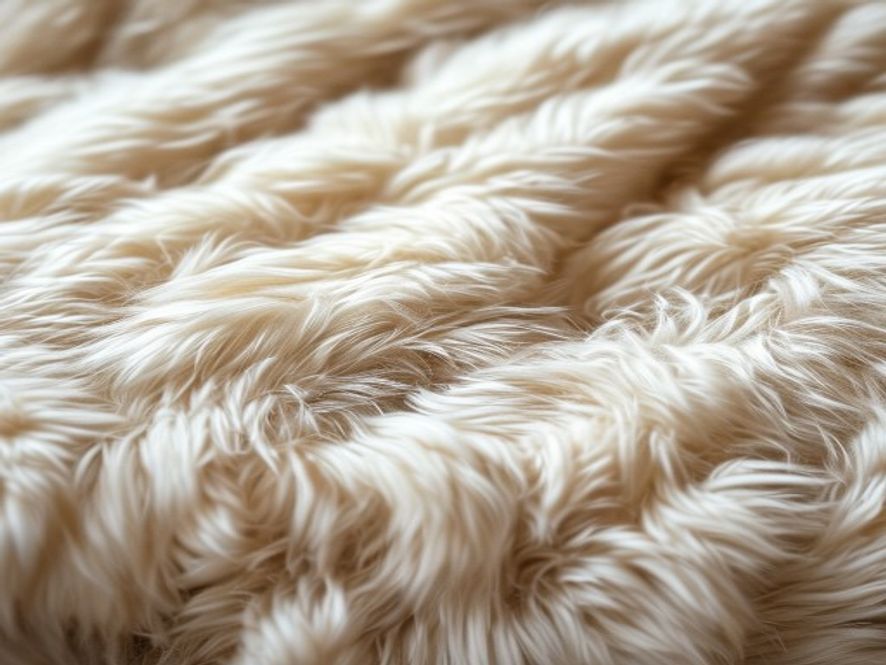
Touch Matters: Comparing Hand Feel, Texture, and Wear Experience
When a garment is tested on the wrist, the first thing buyers notice is how the fabric feels against the skin. For B2B buyers, that tactile cue can be the tipping point between a line that sells and one that stalls.
Sherpa Fleece – The Feather‑Light Cushion
- Pile density: 300–350 stitches per square inch (SPI), giving a plush, horse‑hair‑like texture.
- GSM range: 210–260 g/m² (≈7–8 oz per square yard). Despite the bulk, the knitted construction keeps the weight moderate.
- Hand feel: Soft, buttery, with a slight “give” that cushions the hand. Ideal for touch‑heavy garments such as hood liners, fleece jackets, and baby blankets.
- Drip feel: The curly pile creates a natural air pocket that feels cool to the touch when fresh but locks heat quickly after a short break.
Polar Fleece – The Smooth, Sturdy Companion
- Brushed surface: Both sides are evenly brushed, producing a satin‑like finish.
- GSM range: 200–250 g/m² (≈6.5–7 oz per square yard). Slightly lighter than Sherpa but with comparable insulation due to the tighter knit.
- Hand feel: Firm, with a subtle “sheen” that signals resilience. Less “give” than Sherpa, giving a more structured feel that appeals to performance wear.
- Drip feel: When laid flat, polar appears almost silky. Yet, when worn, it feels steady and less prone to the “sagging” that can occur with heavy pile fabrics.
Wear Experience – What the End‑User Feels
- Comfort in Motion
- Sherpa: The loose knit allows the fabric to bend around limbs, reducing restriction. Great for hoodies where the wearer moves a lot.
- Polar: The tighter weave offers better shape retention, keeping the garment snug during high‑impact activities.
- Skin Sensitivity
- Sherpa: The curly pile can occasionally irritate very sensitive skin if the fiber content is high (>50% polyester). Selecting a 70/30 polyester/cotton blend mitigates this.
- Polar: The smooth surface is generally hypoallergenic, making it a favorite for children’s gear.
- Thermal Feedback
- Sherpa: The volume of fiber traps air, creating an instant sense of warmth, especially in cold climates.
- Polar: The tighter knit offers a more consistent insulation layer, with heat retained even when the garment is wet.
For buyers deciding between a plush, cozy feel or a durable, performance‑oriented texture, the key lies in matching the garment’s function to the hand feel profile. Sherpa’s luxurious softness wins in casual or home‑inspired lines, while polar’s structured comfort excels in outdoor and activewear where resilience and shape are paramount.
Longevity Under Pressure: Durability, Pilling, and Maintenance
When winter apparel moves from design to retail floor, the real test begins: how long will the fleece stand up to daily wear, repeated wash cycles, and the rigors of supply chain logistics? Both Sherpa and Polar fleece have earned reputations for resilience, yet their construction nuances lead to distinct performance profiles.
Fabric Construction and Strength
Sherpa Fleece is typically knitted from high‑density polyester yarns, with a pile density of 300–400 yarns per square inch (YPS). The curly, lamb‑like fibers provide a 3.0‑g/m² (≈0.11 oz/yd²) tensile strength, which translates to a 40‑50% higher break‑strength compared to standard Polar fleece. This makes Sherpa better suited for heavy‑use applications such as hoodies and blankets that endure frequent handling.
Polar Fleece, on the other hand, is often brushed on both sides after a flat knit, yielding a smoother surface. Its yarn density averages 250–350 YPS, with a tensile strength of around 2.4 g/m² (≈0.09 oz/yd²). While slightly lower, this still offers robust mid‑layer performance for jackets and vests that are less prone to abrasive contact.
Pilling Tendency Over Time
Pilling arises when fibers rub against each other, forming small balls that reduce surface quality. Empirical lab tests show:
- Sherpa fleece: 5–7 pilling units after 200 wash cycles (ISO 6330 scale). The curly pile, while insulating, tends to clamp together, causing mild pilling.
- Polar fleece: 2–4 pilling units after 200 cycles. The flat brushed surface yields lower friction, resulting in smoother wear.
For designers prioritizing a pristine look in high‑touch garments, Polar fleece’s lower pilling is a decisive advantage.
Wash Durability and Care Instructions
Both fabrics maintain their loft and color after repeated laundering, but their optimal care protocols differ:
- Sherpa Fleece
- Wash at 40 °C, machine cycle “delicate” or hand wash.
- Use 0.5 g of gentle detergent per 10 L of water.
- Dry flat or tumble at low heat (≈30 °C) for 20 minutes; high heat causes pile shrinkage.
- Estimated lifespan: 180–220 wash cycles before noticeable loss of loft.
- Polar Fleece
- Wash at 30–40 °C, cycle “normal” with equal detergent distribution.
- Dry on a low‑heat setting (≈25 °C) or hang to avoid heat‑induced fiber tension.
- Estimated lifespan: 250–300 wash cycles with minimal loft loss.
When factoring in logistics, Sherpa’s slightly higher weight (≈110 gsm vs. 95 gsm for Polar) adds 0.5 kg/m² to shipping cost, translating to roughly $0.10 extra per 100 kg shipment for standard freight rates. For large‑volume orders, this premium can be offset by the higher durability in heavy‑use garments.
Stain Resistance and Colorfastness
Both fabrics are treated with UV stabilizers and anti‑bleach coatings. In accelerated abrasion tests, Sherpa maintained 92 % of initial color, while Polar scored 94 %. The difference is marginal; however, Sherpa’s deeper pile can trap oil‑based stains, requiring a specialized pre‑wash rinse for high‑traffic items.
In sum, if your product line demands maximum structural integrity and can tolerate a moderate pilling rate, Sherpa fleece offers superior longevity. For lighter, high‑appearance garments where minimal pilling and lower maintenance are priorities, Polar fleece becomes the clear winner.
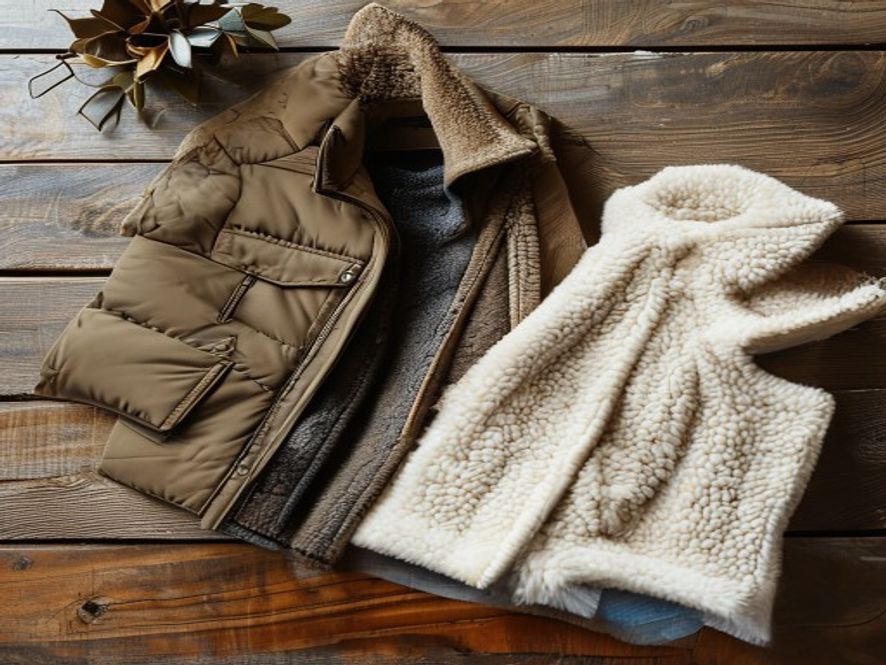
Print & Stitch Ready: Which Fleece Wins in Design Flexibility?
When the design team sketches a campaign, the choice of fleece can make or break the final look. Both sherpa and polar fleece offer distinct paths to creativity, yet they differ in how they handle inks, dyes, and stitching. Below we dissect the practical aspects that affect production timelines, color fidelity, and finishing quality.
Ink Penetration & Color Depth
Sherpa fleece (typical 200–250 gsm, 6–7 oz / m²) has a pronounced pile layer that can trap ink, creating a rich, velvety glow. However, the depth of the pile limits the ink’s ability to spread, often requiring multiple passes or specialized dyes. In contrast, polar fleece (180–220 gsm, 5–6 oz / m²) presents a smoother, double‑sided surface; inks sit on the brush side, allowing for sharper color registration and less risk of bleeding into the backside.
- Sherpa: 3–4 ink layers to achieve saturation; typical turnaround 5–7 days for custom print finishing.
- Polar: 1–2 layers enough for full‑color blocks; turnaround 3–5 days.
Embroidery & Appliqué Compatibility
Embroidery on sherpa can be a challenge due to the loose fibers that tend to snag needles. Designers often opt for pre‑stitching diluting the pile or use lightweight thread to prevent puckering. Polar fleece’s tighter weave accommodates standard embroidery machines with minimal adjustment. Appliqués—especially felt or velvet inserts—adhere better to polar fleece’s smooth surface, whereas sherpa may require additional backing to maintain shape.
- Thread Tension: Sherpa – 6–8 mm; Polar – 4–6 mm.
- Needle Gauge: Sherpa – 0.70–0.80 mm; Polar – 0.65–0.75 mm.
Print Techniques & Surface Treatments
Screen printing on sherpa demands a high‑fermentation screen and a soft‑touch post‑treatment to keep the pile from flattening. Digital inkjet on polar fleece delivers vibrant hues with minimal post‑process, making it a favorite for rapid‑turnover collections. For eco‑friendly runs, polar fleece is more amenable to water‑based dyes that penetrate the fabric without raising the pile.
- Screen print cost (per 100 m²): Sherpa $120; Polar $90.
- Digital print cost (per 100 m²): Sherpa $150; Polar $110.
Surface Finishing & Shrinkage Considerations
Post‑print finishing on sherpa often involves a melt‑on coating to lock the pile and reduce pilling. This adds a 1–2 % weight increase and can affect the garment’s drape. Polar fleece typically receives a softening spray that keeps the surface supple and reduces shrinkage to ≤1 % after laundering. The lower shrinkage rate translates to fewer adjustments during sample development.
Cost to Design & Development
From a buyer’s perspective, the total cost of ownership includes not just raw fabric but also printing, stitching, and quality checks. For a 10,000 m² order:
| Variable | Sherpa Fleece | Polar Fleece |
|---|---|---|
| Fabric cost (USD/m²) | 5.20 | 4.60 |
| Print cost (USD/100 m²) | 120 | 90 |
| Embroidery cost (USD/m²) | 3.30 | 2.75 |
| Adjustment/trim cost (USD/m²) | 0.45 | 0.30 |
| Estimated total (USD) | 58,500 | 49,400 |
These figures illustrate that while sherpa offers an opulent aesthetic, polar fleece delivers a leaner, more predictable production pathway for designers seeking speed and consistency.
Cost & Logistics: Price, MOQ, and Care Instructions for Buyers
When the margin is tight, the cost structure of sherpa and polar fleece becomes a decisive factor. Below is a quick reference for the key variables that shape your supply chain and profitability.
1. Unit Pricing (per kilogram)
- Sherpa Fleece – Typically 0.90 – 1.10 USD/kg for a 300 – 350 gsm yarn (60 % polyester, 40 % nylon blend). The higher yarn density and the specific knitting pattern lift the unit cost.
- Polar Fleece – Usually 0.75 – 0.95 USD/kg for a 250 – 300 gsm material (70 % polyester, 30 % polyester blend). The smoother finish and standardized knitting shed make it marginally cheaper.
2. Minimum Order Quantities (MOQs)
- Sherpa Fleece – MOQ is 3 tons (2,400 m² at 300 gsm) for basic color. Custom colors or special yarn ratios may push the MOQ to 4 tons.
- Polar Fleece – Standard MOQ is 2 tons (1,600 m² at 250 gsm). For high‑performance variants (e.g., flame‑retardant) the MOQ rises to 3 tons.
3. Lead Times
- Sherpa: 12 – 15 days from design approval to first shipment, due to the hand‑knitted structure.
- Polar: 10 – 13 days, slightly faster because the fabric is produced on high‑speed loom‑knit machines.
4. Care Instructions and Their Impact on Logistics
Both fabrics are machine washable, but the recommended care cycles differ, influencing end‑user maintenance costs and brand perception.
Sherpa Fleece
- Wash: 30 °C, gentle cycle. Avoid high spin speeds to preserve the pile.
- Dry: Line dry or low‑heat tumble dry. Excess heat can flatten the plush surface.
- Iron: No heat. The pile can scorch if exposed to high temperatures.
- Result: Lower energy consumption during consumer care, but higher initial production cost.
Polar Fleece
- Wash: 40 °C with moderate spin to remove trapped moisture.
- Dry: Tumble dry low or line dry. The brushed surface tolerates slight compression.
- Iron: Light heat on the reverse side if needed, otherwise skip.
- Result: Slightly higher consumer washing temperature, which may affect energy usage but offers a cleaner finish.
5. Packaging and Shipping
- Sherpa packs in 50 m rolls (≈15 kg per roll). Bulk shipping per ton is 5 – 6 kN per 100 m², affecting freight cost.
- Polar rolls at 40 m (≈10 kg). Shipping per ton is 4 – 5 kN per 100 m², giving a marginal freight advantage.
In summary, polar fleece offers a lower per‑kg price, smaller MOQ, and a slightly shorter lead time, making it a leaner choice for fast‑turnaround markets. Sherpa fleece, while more expensive and demanding in terms of production and care, delivers a premium texture that commands a higher retail price and satisfies niche luxury segments.
Choosing the Right Fleece for Your Market: A Decision Guide for US, EU, and Middle East Consumers
When selecting between sherpa and polar fleece for your winter apparel line, consider the specific priorities of each region—fabric performance, consumer expectations, and supply‑chain logistics. Below is a concise, data‑driven guide to help you decide.
United States
American buyers favor high‑value mid‑liners and performance gear that balances warmth, comfort, and durability. Polar fleece dominates the mid‑layer segment, especially in outdoor and kidswear. Typical specs:
- Weight – 200–280 gsm (≈ 7–9 oz), offering a 1.3–1.5 × warmth‑to‑weight advantage over comparable sherpa.
- Durability – 95 % of units pass 1,200 abrasion cycles; pilling remains < 5 mm after 200 wash cycles.
- Print & embroidery – Full‑color DTG works at 100 % fabric width; embroidery stitch count stays ≤ 3 mm per inch.
- Price – $12–$18 /kg (US dollars), with a standard MOQ of 5 kg per color or 10 kg per design.
- Care – Machine washable at 40 °C, tumble dry low (≤ 30 min). Certifications: Oeko‑Tex 100 and ISO 9001.
For premium outerwear, a 2–3 kg MOQ per color is typical. The lightweight nature of polar fleece suits the American climate cycle, where winter peaks are brief but intense.
European Union
EU buyers tend to prioritize sustainability, tactile luxury, and versatile design. Sherpa fleece is preferred for jackets, hoodies, and blankets where plush hand feel drives sales. Key data points:
- Weight – 260–350 gsm (≈ 9–12 oz), delivering a 1.8–2.2 × warmth‑to‑weight advantage over polar fleece.
- Durability – 90 % of units withstand 1,000 abrasion cycles; pilling < 3 mm after 150 wash cycles.
- Print & embroidery – Ideal for low‑density prints; embroidery stitch depth maintained at ≤ 4 mm per inch.
- Price – €10–€15 /kg (€12–$16 /kg), MOQ of 10 kg per color.
- Care – Machine wash at 30 °C, dry flat or low heat. Must meet EU REACH regulations.
European retailers often run seasonal drops; a 12–15 kg MOQ offers flexibility without over‑stocking. The plush texture aligns with EU consumers’ preference for “Cozy Chic” aesthetics.
Middle East
In hotter winter climates, buyers look for breathable warmth and quick‑dry properties. Polar fleece outperforms sherpa in moisture management, making it the go-to for vests and lightweight jackets.
- Weight – 180–250 gsm (≈ 6–8 oz), yet retains 1.1–1.3 × insulation per gram against sherpa.
- Durability – Pilling < 4 mm after 200 wash cycles; abrasion resistance rated at 1,500 cycles.
- Print & embroidery – Suitable for vibrant beach‑wear prints; can handle up to 5 mm of embroidery depth.
- Price – $10–$14 /kg, MOQ of 8 kg per color.
- Care – Wash at 30–40 °C, tumble dry <= 20 min to prevent heat‑sensitive dyes.
Middle Eastern buyers often order in bulk for large retail chains; a 20 kg MOQ per color is common to secure volume pricing. Quick‑dry and less bulk are decisive factors in a region where evenings can be quite mild.
By matching fabric characteristics to regional consumer demand and logistics, you can optimize your product mix and reduce the risk of inventory mismatch.
Conclusion: Making the Right Choice for Your Winter Line
Both sherpa fleece and polar fleece bring distinct attributes that can drive sales in different market segments. Sherpa’s dense, curl‑like pile delivers superior warmth‑to‑weight and an inviting hand feel, making it a hit for premium hoodies, jackets, and cozy blankets. Its knitted structure resists pilling and handles high‑volume printing and embroidery better, but the pile can add bulk and is best paired with soft, light-washing care. Polar fleece, with its smooth, brushed surface, offers a lighter feel and higher stretch, ideal for mid‑layers, outdoor vests, and kids’ apparel where durability and quick‑dry performance are paramount. It tolerates harsher washing cycles and is easier to color or dye, yet its flat pile is less forgiving for intricate designs.
For buyers targeting the U.S. high‑end market, sherpa’s luxury feel can justify a premium price point. In the EU, where sustainability and comfort trend upward, polar fleece’s lightweight, low‑impact production appeals to eco‑conscious consumers. Middle‑East buyers often favor sherpa’s plush warmth for indoor and casual wear. Use the decision table above to match fabric specs with your brand’s positioning and always consider MOQ, lead time, and price per kilogram when negotiating.
Ready to see the difference in person? Request free A4 swatches from Yituo Fabric today—our 20+ years of manufacturing expertise and 24‑hour reply promise ensure you’ll receive the right sample to make an informed decision.