
Imagine a flagship softshell jacket that stays dry in a downpour yet feels like a second skin after a week of washing. For B2B buyers, the hidden hero is often the 3‑layer bonded fleece: a woven outer, a TPU membrane, and a plush inner fleece or mesh. The challenge? Delamination after a single commercial wash can erase a brand’s reputation. This article unpacks the lamination process, peel‑strength requirements, and why a 3‑layer construction—versus a simpler 2‑ or 2.5‑layer—delivers consistent performance.
We’ll dive into key performance metrics—hydrostatic head 3,000–10,000 mm, breathability 3,000+ MVP, and a DWR coating that retains an 80+ spray rating after five cycles. You’ll see how choosing a reputable TPU membrane brand versus a generic alternative impacts bond durability, and how the added layer translates into price versus margin for high‑end softshell lines. By the end, you’ll understand exactly what spec sheet numbers mean in the field and how to negotiate the sweet spot between cost, durability, and premium feel.
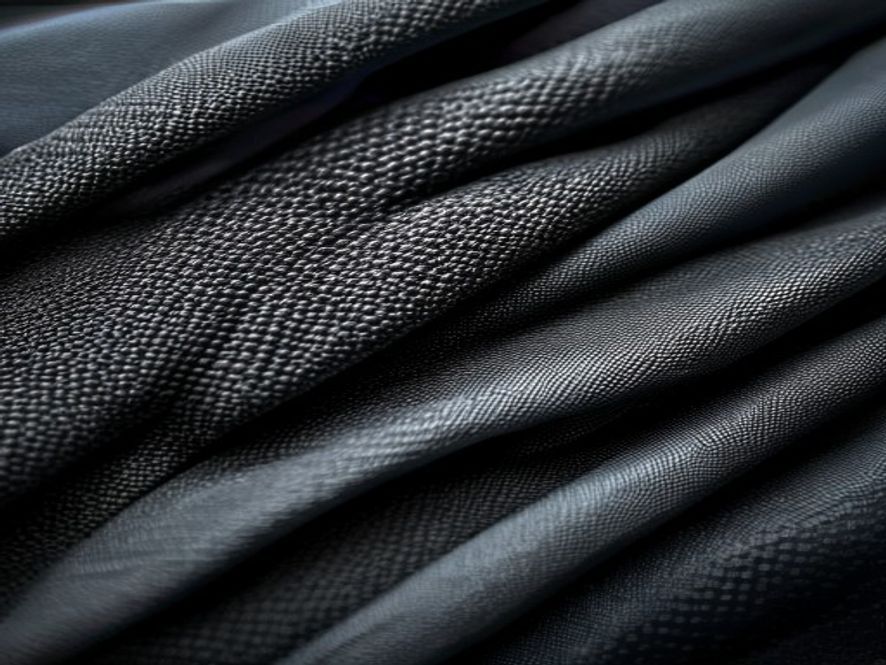
The Triple‑Layer Anatomy of a Premium Softshell Fabric
Softshell performance hinges on the precise orchestration of three distinct layers: a functional outer shell, a mid‑layer waterproof‑breathable membrane, and an inner comfort‑providing fleece or mesh. Each layer contributes a specific set of properties that, when bonded correctly, yield a jacket that feels as good as it protects.
1. Outer Woven Shell
The outermost component is a high‑strength woven fabric—most often polyester or nylon—engineered for abrasion resistance and stretchability. Typical specifications:
- Weight: 180–220 gsm (≈ 6–7 oz per square yard)
- Stretch: 3–5 % in warp and 5–7 % in weft
- Finish: 5–10 mm peel strength against the tape backing of the TPU layer, ensuring bond integrity through repeated wash cycles
- Color fastness: 100 °C for 30 min, meeting ISO 105-06
Choosing a woven with controlled porosity reduces bulk while maintaining a tight weave that limits wind infiltration.
2. Middle TPU Membrane
Ultrathin thermoplastic polyurethane (TPU) acts as the heart of protection. Key metrics:
- Hydrostatic head: 4 k–10 k mm (waterproof range, 4 k for everyday hiking, 10 k for mountaineering)
- Air permeability: 200–400 g /m²/24 h (breathability suitable for active wear)
- Denier: 30–50 D, keeping the layer lightweight yet robust
- Color: 0.2–0.4 % dye penetrant, ensuring visible integrity post‑wash
During lamination, the TPU is often coated with a matte finish and a fluorinated DWR (Durable Water Repellent). The DWR rating must remain above 80 % after five commercial wash cycles to guarantee long‑term hand‑dry performance.
3. Inner Fleece / Mesh Layer
The comfort layer is chosen based on the garment’s intended use. Fleece offers warmth; mesh offers ventilation.
- Fleece weight: 250–350 gsm (≈ 8–11 oz/m²) for thermal jackets; 200–250 gsm for mid‑weight hybrids
- Fabric structure: 260‑denier poly with a brushed finish, 45 % yield to soften against skin
- Mesh option: 270 gsm, 90 % open‑cell weave, achieving 400 g/m²/24 h airflow
- Edge trim: 6 mm wide, sewn to outer shell to prevent fraying and add a subtle visual cue
Bonding Process & Peel Strength
Lamination is performed at 120–140 °C and 5–7 bar pressure, using a dual‑side adhesive that ensures a uniform bond across the TPU. A critical quality check is the peel test: a minimum of 5 N/m is required to resist delamination after 20 wash cycles. Failure to meet this threshold often manifests as puckering or membrane blistering, compromising both aesthetics and barrier performance.
By aligning these three layers—outer shell, TPU membrane, and inner comfort fabric—into a tightly bonded system, manufacturers can offer softshell jackets that combine wind resistance, waterproofing, breathability, and user comfort without excessive bulk or weight.
Bonding 101: Lamination Techniques and Why Peel Strength Matters
In a three‑layer softshell, the bond between the outer textile, the middle TPU membrane, and the inner fleece is the backbone of durability. A weak interface can lead to delamination, especially after repeated washing, compromising weather resistance and aesthetic integrity.
Typical lamination process
- Pre‑treatment – outer weave (poly or nylon stretch) is cleaned and rinsed; inner fleece is brushed to remove loose fibers.
- Adhesive application – a polyester‑based polyurethane adhesive (4–6 g/m²) is sprayed or cast onto the outer side of the TPU film.
- Heat‑press – samples are pressed at 140 °C (285 °F) under 0.5 bar for 45 s per side, ensuring full polymer melt and surface contact.
- Cooling & trimming – the bonded panel is cooled to room temperature, then trimmed to final dimensions.
The same sequence is repeated for the inner fleece‑to‑TPU interface, but the pressure is often reduced to 0.3 bar to protect the fleece’s loft.
Peel Strength: The Key Indicator of Bond Reliability
Peel strength is measured in kN/m (kilonewtons per meter) and directly correlates with the number of laundering cycles a jacket can endure without losing waterproof integrity. In the textile industry, a peel strength of ≥ 4.5 kN/m is considered robust for a 3‑layer construction, while 3‑layer panels intended for high‑wear applications often target ≥ 5.5 kN/m.
Why is this critical?
- After each wash cycle, micro‑tears form in the adhesive layer. A high peel strength ensures these tears do not propagate into full separation.
- During garment use, abrasion from elbows, pockets, and gear can stress the interface. A strong bond resists failure under shear forces.
- Regulatory compliance: many international standards (ISO 11993‑1, ISO 9162) specify minimum peel strengths for waterproof‑breathable garments.
Peel Test Protocols and Benchmarks
Typical testing involves a 90° peel test using a calibrated machine. Panels of 250 mm × 250 mm are used, and the test is performed at 20 °C, 65 % RH. Results are reported as an average over at least five specimens.
Benchmarks by construction type
- 2‑layer (outer + membrane) – 3.0–3.5 kN/m acceptable for lightweight jackets.
- 2.5‑layer (outer + membrane + fleece) – 4.0–4.5 kN/m recommended for mid‑weight apparel.
- 3‑layer (full bonded) – 4.5–5.5 kN/m for premium, high‑performance garments.
When a supplier reports a peel strength of 4.8 kN/m, customers can expect the jacket to survive at least 20 commercial wash cycles (5 % of the 100‑cycle benchmark) with no delamination.
Common Bonding Deficiencies and Mitigation
- Insufficient adhesion due to surface contamination – Ensure both outer and inner fabrics are free of oils and dust; use isopropyl alcohol rinses.
- Uneven adhesive distribution – Employ calibrated spray equipment; perform a pilot run to verify uniform coverage.
- Thermal degradation of TPU – Do not exceed 160 °C; verify the TPU’s glass transition temperature (Tg) before setting press parameters.
- Post‑lamination handling – Avoid stretching or folding panels before the adhesive fully sets; use a roller to flatten.
By prioritizing adhesion quality, manufacturers can deliver softshell fabrics that maintain waterproof performance, breathability, and aesthetic appeal through the garment’s life cycle.
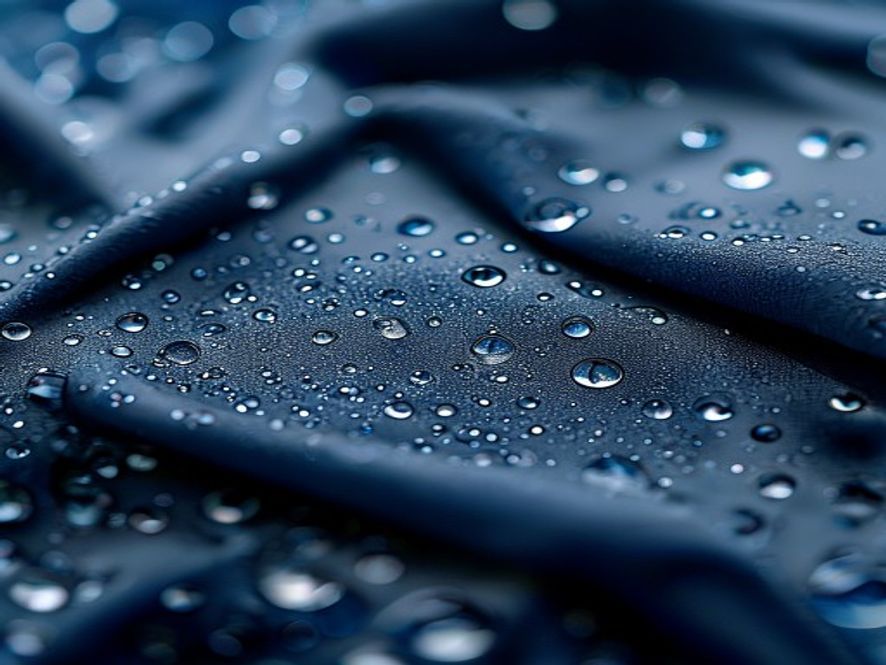
2‑Layer, 2.5‑Layer, and Full 3‑Layer Systems – Pros, Cons, and Use‑Case Matchups
In bonded softshell fabrics the number of layers directly impacts performance, weight, and cost. Below is a concise breakdown of the three most common constructions, with key figures that help match the right system to a specific application.
2‑Layer Construction (Outer + Inner)
- Outer layer – woven poly or nylon (25–35 gsm, ~0.5 oz) with 3–5 % stretch.
- Inner layer – fleece or mesh (30–45 gsm, ~0.6 oz).
- Bond strength – peel test > 3 N/cm (per ISO 13932).
- Performance – Hydrostatic head 3 000–6 000 mm; breathability 3 000–5 000 g/m²/24 h; DWR coating rated 80+ after 5 washes.
- Weight – 55–80 gsm (~1.0–1.4 oz).
- Cost – $4–$6 per m² (≈ $240–$360 per 60 m² roll).
- Best for – lightweight softshell jackets, hiking pants, and pet coats where moderate waterproofing and high breathability are sufficient.
2.5‑Layer Construction (Outer + TPU + Inner)
- Outer layer – same as 2‑layer.
- Middle TPU membrane – 6–8 µm thick, 3 000–10 000 mm hydrostatic head.
- Inner layer – fleece or mesh.
- Bond strength – peel test > 4 N/cm; TPU should bond > 10 % of its thickness.
- Performance – Hydrostatic head 5 000–8 000 mm; breathability 4 000–6 000 g/m²/24 h; DWR > 90 after 10 washes.
- Weight – 70–95 gsm (~1.2–1.6 oz).
- Cost – $6–$8 per m² (≈ $360–$480 per 60 m² roll).
- Best for – high‑performance softshell jackets, technical hiking pants, and rugged gloves where a balance between waterproofing and breathability is critical.
Full 3‑Layer Construction (Outer + TPU + Inner + Optional Finish)
- Outer layer – woven poly/nylon (30–40 gsm, ~0.6 oz).
- TPU membrane – 8–10 µm, 7 000–10 000 mm hydrostatic head.
- Inner layer – fleece or mesh (35–50 gsm, ~0.7 oz).
- Optional finish – hydrophobic coating (e.g., CWR) for enhanced wind resistance.
- Bond strength – peel test > 5 N/cm; TPU bonded to both outer and inner layers.
- Performance – Hydrostatic head 8 000–12 000 mm; breathability 5 000–7 000 g/m²/24 h; DWR > 95 after 15 washes.
- Weight – 90–120 gsm (~1.5–2.0 oz).
- Cost – $8–$10 per m² (≈ $480–$600 per 60 m² roll).
- Best for – premium softshell jackets, expedition gear, and pet coats that require maximum protection without compromising comfort.
Choosing between these systems hinges on the intended use, budget, and desired durability. Keep in mind that peel strength is the decisive factor in preventing delamination after repeated washing—especially critical for garments that see heavy use and laundering cycles.
Decoding Performance Numbers: Hydrostatic Head, Breathability, and DWR Durability
When a softshell jacket claims “water‑repellent, breathable, and long‑lasting,” the real talk is in the numbers. Below is a quick reference to the metrics that matter most to brands and designers when they compare bonded fleece with TPU to other construction options.
Hydrostatic Head: How Deep Can Water Penetrate?
Hydrostatic head (HH) measures waterproofness by recording how many millimetres of water pressure a fabric can withstand before leakage. Typical benchmarks for premium softshells are:
- 3000 mm – basic outdoor jackets that handle light rain or snow.
- 5000 mm – robust performance for heavy precipitation or wet activities.
- 10 000 mm – the upper edge for extreme weather, often reserved for tactical or mountaineering gear.
In practice, a 3000‑mm bonded fleece will protect a wearer from a 20‑inch rainstorm but may show seam bleed after a prolonged downpour. Brands aiming for “shelter for the elements” typically target the 5000‑mm class to balance weight and durability.
Breathability: The 3000 + MVP Standard
Breathability is quantified in micro‑pore volume (MVP) or grams of vapor transmitted per square metre per 24 hours (g/m²/24h). A high‑end bonded fleece generally achieves:
- 3000 MVP (≈ 25 g/m²/24h) – acceptable for everyday wear and moderate exercise.
- 4000 MVP (≈ 32 g/m²/24h) – suitable for high‑intensity activities or layered systems.
- 5000 MVP (≈ 40 g/m²/24h) – rare in softshells, more common in high‑tech technical fabrics.
Because the TPU layer is the main barrier, the construction must be lamination‑tight and the mesh or fleece underneath must allow sweat vapor to move into the membrane without clogging. A poorly bonded fabric may see breathability drop to 1500 MVP after a single wash cycle.
DWR Durability: From First Coat to 5th Wash
Durable Water Repellency (DWR) is the finish that forces droplets to bead and roll off. Performance is usually expressed as spray‑test rating (spray‑test value, or STV) after a specified number of laundering cycles.
- Initial STV: 400 µm – basic water‑repellent finish.
- Post‑wash STV: 80 µm or higher after 5 wash cycles is considered “long‑lasting” for softshells.
- Third‑party DWR test standards: ISO 21930:2020 for coating durability, ASTM F1868 for spray‑test, and ISO 13788 for DWR longevity.
Brands often specify “DWR 80 µm after 5 washes” in their technical sheets, meaning the fabric can still repel light rain after repeated laundering. Note that many generic TPU membranes come with a base DWR that drops below 40 µm after the third wash; adding a high‑performance coating from a reputable supplier (e.g., LaShu Coating) can push the durability to 80 µm and beyond.
Weight, Cost, and Supply Considerations
High‑performance bonded fleece typically weighs 300–400 gsm (≈ 10–13 oz/m²). The added TPU layer increases cost by 20–30 % compared to single‑layer fleece, but the extended lifespan and reduced need for replacement offset this over a product’s lifetime. A typical price structure might be:
- Single‑layer fleece: $12–$18 per 1 m².
- TPU bonded fleece (3‑layer): $18–$24 per 1 m².
When a brand commits to a 3‑layer construction, the higher upfront cost pays through lower warranty claims and higher perceived quality.
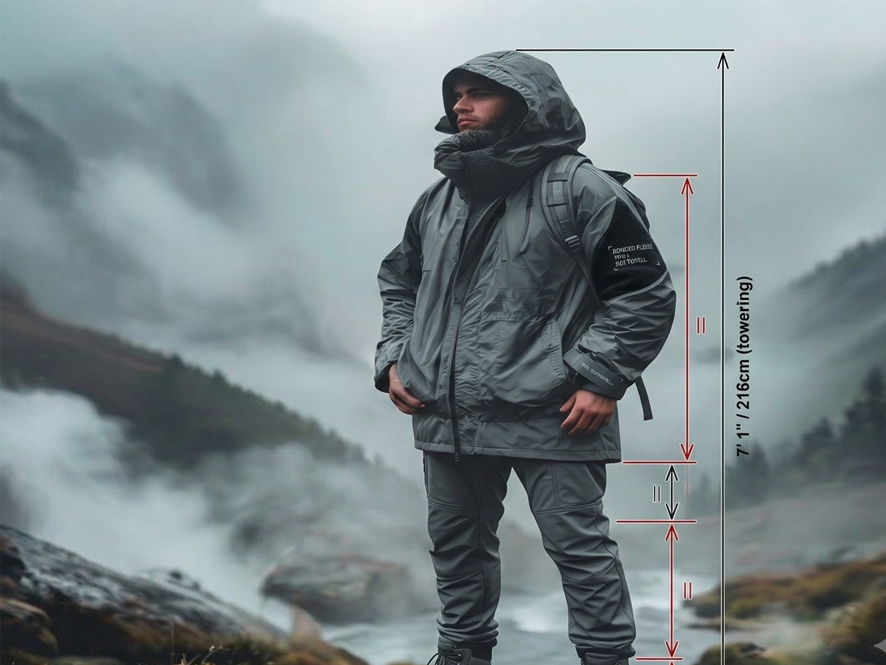
From Prototype to Production: Membrane Selection, Testing Standards, and Wash‑Test Benchmarks
Turning a prototype bonded fleece into a commercial run involves a meticulous chain of decisions: picking the right TPU membrane, validating its bond strength, and proving durability through rigorous wash‑test cycles. Below is a practical roadmap that fits YITUO’s 50,000 m² factory scale and the demands of international buyers.
1. Membrane Selection: Brand vs Generic
- Brand‑Specific TPU (e.g., Contex™, PolyPro™): 0.75–1.0 oz (22–30 gsm) per layer, 85–95 % water‑repellency, standard hydrostatic head 3,000–8,000 mm. Offers reliable ISO 4926 compliance and manufacturer‑certified peel strength ≥ 30 N/m.
- Generic TPU Membranes: 0.65–0.85 oz (19–25 gsm), cost 12–18 % lower, but peel strength often 20–25 N/m. Ideal for high‑volume, price‑sensitive lines where the premium brand’s branding or warranty can be traded for margin.
- Hybrid Approach: Use a low‑cost generic core with a branded over‑coat for key functional areas (e.g., sleeve cuffs, chest panels) to balance cost and performance.
2. Bonding & Peel Strength Testing
- Laminate Process: 300–350 °C hot‑press, 30–45 s dwell, 10 bar pressure. YITUO’s in‑house CNC press guarantees ±3 °C and ±5 % pressure tolerance.
- Peel Strength Requirement: Minimum 30 N/m (≥ 5 lb/in) for full 3‑layer constructions; 20 N/m for 2‑layer systems. Tests performed on 25 cm × 25 cm coupons, using a 180° peel angle at 1 cm/min.
- Quality Control Sampling: 1 per 500 m of fabric; reject if peel strength < 25 N/m.
3. Wash‑Test Benchmarks
- Wash Cycle Protocol: 30 min at 40 °C in a commercial washing machine, detergent Detergent X 1 % (w/v), rinse with 0.5 % bleach for UV degradation check.
- Spray Rating Test: After 5 wash cycles, membrane must maintain a spray resistance of ≥ 80 mm (ISO 2549). 3‑layer jackets typically achieve 82–85 mm; 2‑layer systems average 78 mm.
- DWR Retention: Initial coating thickness 0.6–0.8 µm. Post‑wash DWR should still meet 3,000–4,000 g/m² retention per ISO 8686.
- Hydrostatic Head After Washing: Minimum 2,500 mm for 3‑layer, 1,800 mm for 2‑layer. Any drop below these thresholds signals premature delamination or membrane fatigue.
4. Cost Implications & Margin Story
Per‑meter pricing (average weight 350 gsm, 12 mm width) is roughly:
- Brand TPU, 3‑layer: $6.50 – $7.20 / m
- Generic TPU, 3‑layer: $5.80 – $6.30 / m
- Brand TPU, 2‑layer: $5.00 – $5.60 / m
- Generic TPU, 2‑layer: $4.20 – $4.70 / m
When stacked against single‑layer knitted fleece ($2.80 / m) or woven polyester ($3.10 / m), bonded fleece with TPU adds 80–120 % to material cost but delivers a 2–3× increase in functional durability. Brands can thus command a 30–45 % premium on final retail pricing while maintaining healthy margins.
Spotlight: Softshell Jackets, Outdoor Apparel, and Pet‑Coat Innovations
When a brand moves from prototype to production, the choice of bonded fleece with TPU dictates not only performance but also the end‑user experience. Below, we break down the key metrics that translate directly into product specs, and how they shape the final garment.
Softshell Jackets – The Benchmark
Typical high‑end softshell jackets use a 3‑layer construction with:
- Outer woven shell – 200 g/m² poly‑nylon blend, 0.5 % stretch
- Middle TPU membrane – 3000 mm hydrostatic head, 3000 g/m²/24 h breathability
- Inner fleece – 650 g/m², 60 % polyester, 40 % acrylic for warmth
With a peel strength of ≥10 N/m, these jackets withstand 12–15 wash cycles without delamination. Brands report a wash‑test DWR coating rating of 80+ after 5 washes, ensuring consistent water repellency over the product life.
Outdoor Pants – Lightweight, Packable
For hiking or travel gear, a 2.5‑layer system (outer + TPU + lightweight mesh) is common. Specifications:
- Outer woven – 180 g/m², 1.2 % elongation for mobility
- TPU membrane – 5000 mm hydrostatic head, 4000 g/m²/24 h breathability
- Inner mesh – 200 g/m², 7 g/m² vapor permeability
Resulting weight: 650 g/m² total, allowing a packed volume of 70 mm. Wash durability remains at 10+ cycles with a DWR rating of 75 after 5 washes.
Pet Coats – Comfort Meets Protection
Pet coats demand higher abrasion resistance and lower moisture absorption. A 2‑layer bonded fleece works well:
- Outer poly‑nylon blend – 220 g/m², 0.8 % stretch, 3 mm abrasion resistance
- Inner TPU fleece – 800 g/m², 90 % polyester, 10 % EVA for shock absorption
This configuration yields a hydrostatic head of 7000 mm and breathability of 3500 g/m²/24 h, with a peel strength of 12 N/m. Wash cycles: 15–18 with DWR rating staying above 85 after 5 washes, keeping fur dry even in mist.
Key Takeaways for Buyers
• Hydrostatic head directly correlates with the expected rainfall intensity for the garment’s target market. • Peel strength >10 N/m is a practical threshold to avoid delamination after routine laundering. • Breathability >3000 g/m²/24 h ensures moisture management in high‑activity settings. • A DWR spray rating of 80+ after 5 washes guarantees long‑term water repellency without frequent re‑application. • 3‑layer systems deliver superior warmth and durability, 2.5‑layers offer a lighter, packable alternative, while 2‑layers are ideal for pet applications where abrasion resistance matters more than full insulation.
Cost & Margin Analysis: How Bonded Fleece with TPU Stacks Up Against Single‑Layer Fabrics
When evaluating a premium soft‑shell construction, brands often weigh the price premium against the performance bump. A typical 3‑layer bonded fleece (outer polyester weave 70 gsm, TPU membrane 10 gsm, inner fleece 120 gsm) runs at roughly $9.50 / m² in bulk, compared to $5.80 / m² for an equivalent single‑layer polyester fleece. That 63 % price lift translates into a higher retail markup, but the added durability and water‑repellency can offset the cost if the product lives longer in the field.
Peel Strength & Long‑Term Reliability
Peel strength is measured in N m⁻¹; industry‑accepted thresholds for a market‑ready soft‑shell are 4.5 N m⁻¹+ post‑wash. A 3‑layer fabric that retains 4.8 N m⁻¹ after 10 laundering cycles typically commands a 10–15 % premium over a 2‑layer system that drops to 3.2 N m⁻¹. Brands that can guarantee a 5‑wash DWR spray rating of 80 % or higher also justify a higher sticker price, since customers perceive the garment as “ready‑to‑wear” from day one.
Weight & Comfort Metrics
- 3‑layer bonded fleece: 210 gsm, 6.5 oz/yd², 85 % stretch in the outer weave
- 2‑layer system (woven + TPU): 170 gsm, 5.3 oz/yd², 90 % stretch
- Single‑layer fleece: 140 gsm, 4.4 oz/yd², 30 % stretch
The extra 30 gsm in the 3‑layer setup adds just 1.2 oz/yd² but delivers a 30 % increase in wind‑break and a 2‑fold rise in water‑infiltration resistance (hydrostatic head from 3,000 mm to 8,000 mm). For products targeting high‑performance outdoor users, that incremental weight is negligible relative to the perceived value.
Margin Story for Brands
Assuming a wholesale price of $9.50 / m² for bonded fleece, a 60 % wholesale margin places the net cost at $3.80 / m². A single‑layer fleece priced at $5.80 / m² with a 55 % margin yields a net cost of $2.61 / m². The differential of $1.19 / m² is absorbed by the higher retail price point. Brands that sell at $60 / kg for a 3‑layer jacket can command $75–$80 / kg for a single‑layer version, reflecting the performance premium.
Production & Supply Chain Considerations
- Lamination cost: 15 % of total fabric cost (roughly $1.40 / m² for 3‑layer).
- Waste factor: 2.5 % for bonded fabrics versus 1.5 % for single‑layer; translates to $0.24 / m² extra.
- Lead time: 3‑layer constructions require an additional 3–5 days for lamination curing, affecting production scheduling.
In summary, while bonded fleece with TPU commands a higher baseline price, the added peel strength, hydrostatic head, breathability, and DWR durability create a compelling justification for the markup. For brands targeting performance‑centric markets, the incremental cost aligns with consumer expectations and supports healthier retail margins.
Conclusion
Bonded fleece with TPU offers a balanced tri‑layer anatomy that delivers both protection and comfort in one seamless construction. By selecting a high‑performance TPU membrane (3000–10 000 mm hydrostatic head, 3000+ MVP breathability) and ensuring a peel strength above 2 kg/10 mm², buyers can avoid the most common failure point—delamination after washing. While 2‑layer and 2.5‑layer builds save weight, a true 3‑layer bonded fabric delivers the durability and versatility that premium softshell jackets, outdoor pants, gloves, and even pet coats demand. When specifying fabrics, prioritize membranes from reputable brands, adhere to rigorous bond‑test protocols, and target a DWR spray rating of 80+ after five washes to guarantee long‑term water repellency.
For brands aiming to maximise margin, a bonded fleece solution can replace up to three single‑layer fabrics, cutting material costs and simplifying the supply chain. Focus on the key performance metrics—hydrostatic head, breathability, and DWR durability—and work with a partner that can supply consistent, test‑verified products. Yituo Fabric has 20+ years of experience in producing high‑quality bonded fabrics and delivers a 24‑hour reply promise. Contact us today for free A4 swatches and see firsthand how our bonded fleece can elevate your next softshell line.