
Imagine a new collection launch where you’re juggling a tight runway schedule, an overseas buyer’s demand for “soft, ethereal layers,” and a budget that won’t allow a textile emergency. You’re staring at a swatch aisle crowded with chiffon, georgette, and organza, each promising a different kind of lightness. How do you decide which sheer will glide into a flowing maxi dress, which will give structure to a voluminous bridal sleeve, and which will hold embellishment on a sleek abaya, all while staying within price and care constraints? This guide unpacks GSM ranges, transparency, drape behavior, print/embroidery suitability, and care nuances, so you can match the perfect fabric to each garment’s silhouette and intended use.
Chiffon—usually 75–100 D polyester or premium silk—offers a fine, flowing drape with a silky sheen; it’s a go‑to for lightweight dresses, blouses, and overlay accents, though its slippery weave demands precise sewing. Georgette, built from crepe‑twist yarns, feels slightly textured and grippier, lends a heavier, less sheer drape ideal for sarees, abayas, and dress bodices that need to hold embellishment. Organza is crisp and rigid, its sheer yet structured nature perfect for voluminous sleeves, bridal skirts, or a clean embroidered base. By comparing these key attributes, you can triage fabrics: chiffon for the free‑floating maxi, georgette for the draped abaya, and organza for statement sleeves—each with clear markers of quality such as yarn evenness, snag resistance, and consistent sheerness.
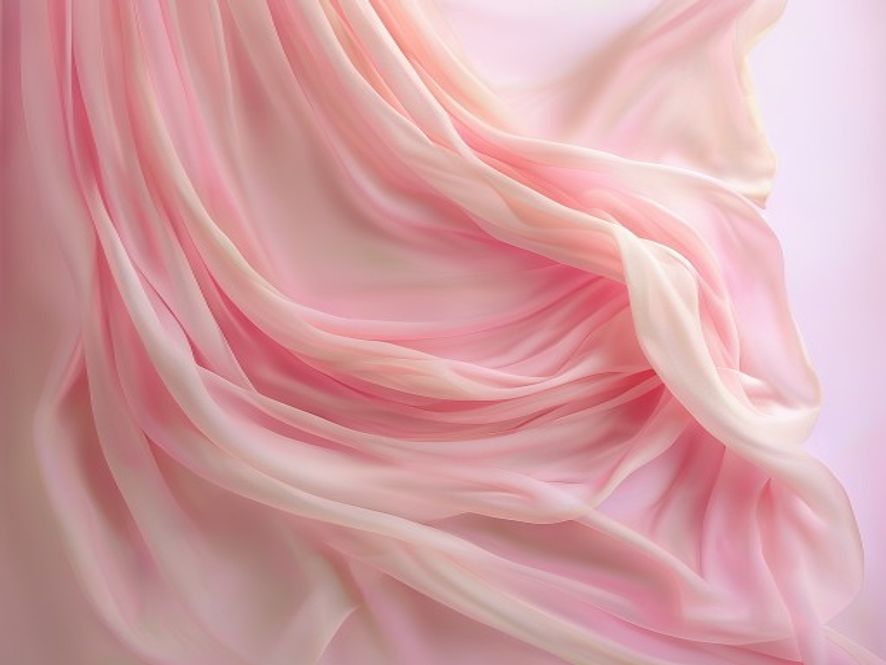
The Fabric Palette: Understanding Chiffon, Georgette, and Organza
When designers step into the showroom, they often confront three iconic sheer fabrics that define women’s apparel: chiffon, georgette, and organza. Each has a distinct weave, weight, and performance profile that dictates where it fits best in a collection. Below is a quick reference to help you match the right fabric to the right garment.
Chiffon
Chiffon is a plain‑woven silk or polyester weft‑on‑warp fabric renowned for its fine, almost translucent quality. It typically weighs from 60–90 gsm (≈ 2–3 oz per square yard) and is available in 75–100 D polyester or premium 140–200 D silk. The satin finish gives it a subtle sheen, while the lightweight construction delivers very free, floating drape. Ideal for flowy maxi dresses, blouses, scarves, and overlay accents, chiffon should be handled gently—its fibers are prone to snagging, so a silk or polyester blend with a higher D rating offers better durability.
Georgette
Georgette derives its name from the French “georgettes,” a fabric that balances lightness with structure. It is woven with a crepe twist, creating a slight crinkled texture that adds subtle grip. Typical weights range from 70–110 gsm (≈ 2.5–3.5 oz per square yard). The finish is less sheer than chiffon, with a transparency of 60–80 %. Georgette’s heavier drape and modest crinkle make it a go‑to for sarees, abayas, and full‑length gowns that need to hold shape yet remain breathable. Its textured surface also holds embellishments—beads, sequins, or printed motifs—better than chiffon.
Organza
Organza is an opaque, crisp fabric that still offers pure sheerness. Constructed as a plain or satin weave from polyester or silk, it usually falls in the 45–80 gsm range (≈ 1.5–2.5 oz per square yard). Unlike chiffon, organza’s fibers are tightly packed, giving it a rigid, almost crystalline feel. This structure keeps the fabric from sagging, making it perfect for structured sleeves, bridal skirts, and embellished paneling. Because organza stands out as a base for embroidery or appliqué, its relatively low transparency (80–90 %) balances visual impact with subtlety.
Quick Comparison Snapshot
- Weight: Chiffon (60–90 gsm) vs Georgette (70–110 gsm) vs Organza (45–80 gsm)
- Transparency: Chiffon (90–95 %) vs Georgette (60–80 %) vs Organza (80–90 %)
- Drape: Chiffon (free, fluid) vs Georgette (moderate, textured) vs Organza (structured, crisp)
- Best for: Flowy maxi dresses (Chiffon) vs Draped abaya or saree (Georgette) vs Statement sleeves or bridal skirts (Organza)
When selecting a sheer fabric, keep in mind that the yarn count (D), weave type, and finish dictate not only aesthetics but also functional aspects such as stitchability, durability, and care requirements. By matching these technical knobs to the garment’s intended silhouette, you can create pieces that look as effortless as they feel.
Structural DNA: GSM, Transparency, and Drape Dynamics
Choosing the right sheer fabric starts with understanding its physical fingerprint: the gauge of weight, the level of transparency, and the natural drape. These metrics are the first decision checkpoints for any womenswear buyer, especially when juggling performance, aesthetics, and cost.
GSM & Weight Ranges
Weight is the primary indicator of durability and drape potential. Below are the common GSM (grams per square meter) brackets for each fabric type and what they translate to in terms of user experience.
- Chiffon: 45–70 GSM (≈0.7–1.1 oz/yd²). Light enough for single‑layer overskirts yet heavy enough to avoid a ghostly look.
- Georgette: 70–100 GSM (≈1.1–1.6 oz/yd²). Strikes a balance between softness and structure, ideal for garments that need a mild silhouette.
- Organza: 40–60 GSM (≈0.6–0.9 oz/yd²). Despite its lightness, the crimped weave gives it a sturdier feel than chiffon.
Transparency & Sheerness
Sheerness is often gauged by the percentage of light transmission, but a practical rule of thumb is the layer count needed to block a standard T‑shirt or undergarment. Our data shows:
- Chiffon: 1–2 layers block 70–90 % of the underlying fabric.
- Georgette: 1.5–2 layers block 80–95 % of the underlying fabric.
- Organza: 1 layer blocks 85–95 % of light; a second layer is rarely required.
For transparent layers, polyester 75‑100 D yarns dominate chiffon, offering a glossy sheen but a higher risk of snagging. Silk variants (≥200 D) provide a richer drape but increase cost by roughly $1.5–$3 per yard.
Drape Dynamics & Weight‑to‑Flow Ratio
Drape is the fabric’s response to gravity and movement. To quantify this, we use the weight‑to‑flow ratio (WFR) – a simple calculation dividing GSM by the fabric’s drape coefficient (measured in cm per 10 g).
- Chiffon: WFR ≈ 0.28 GSM/cm. This low ratio means the fabric hangs loosely, creating a free‑fall effect ideal for maxi dresses and overlays.
- Georgette: WFR ≈ 0.35 GSM/cm. Slightly higher, giving a soft‑structured drape that holds its shape better, suitable for abayas and layered blouses.
- Organza: WFR ≈ 0.25 GSM/cm. Despite its lightness, the woven crimp offers a stiff‑yet‑sheer drape that works wonderfully for structured sleeves or bridal skirts.
When translating raw WFR into practice, consider that for every 10 g of fabric, chiffon will fall about 13 cm, georgette about 11 cm, and organza about 12 cm, assuming identical seam allowance. These numbers help forecast how many yards you’ll need for a given silhouette and where to place embellishments for optimal visual impact.
Thread by Thread: Yarn Construction and Its Impact on Sheerness
In the world of sheer fabrics, the yarn is the invisible hero that dictates how transparent, drapable, and workable a material will be. Understanding the subtle differences in yarn count, twist, and material composition lets buyers anticipate how a chiffon, georgette or organza will behave in stitching, printing or embellishing.
Chiffon
Chiffon typically employs 75–100 denier (D) polyester yarns, giving a fine, lightweight base. When the yarn is spun with a low twist and is blended with a small amount of cotton or nylon, the weave opens up, producing a delicate, almost translucent effect.
- GSM (grams per square meter): 35–45 g/m², allowing the fabric to be 70–85 % transparent.
- Slip factor: High – the loose twist creates a slick surface that can slide off needles easily; a 2–3 mm needle spacing is recommended for hand‑sewing.
- Print compatibility: Acrylic or UV inks hold well; however, the lightweight nature can cause flaking if over‑saturated.
- Typical price: $6–$12 per meter for 75D polyester; premium silk chiffon can reach $25–$35 per meter.
Georgette
Georgette yarns are spun from 150–200 D polyester with a distinctive crepe twist. The twist generates ridges that give the fabric a slightly textured surface, which reduces sheer quality compared to chiffon but adds a subtle weight.
- GSM: 55–70 g/m², producing 60–75 % transparency.
- Grippy surface: The crepe twist makes the yarn catch onto needles more reliably, eliminating the “slip” issues of chiffon.
- Embroidery support: The textured weave holds thread tension, making it ideal for heavy embellishments such as beads or sequins.
- Print compatibility: Water‑based dyes spread evenly; screen prints are crisp due to the ridged yarn.
- Typical price: $5–$9 per meter for polyester georgette; silk variants range $18–$24 per meter.
Organza
Organza yarns are the densest of the trio, usually 200–250 D polyester spun with a high twist. The tight twist creates a rigid, almost crystalline structure that gives organza its signature crispness.
- GSM: 45–60 g/m², yet because of the dense yarn it feels heavier; transparency is about 40–55 %.
- Structure: The high twist resists deformation, so the fabric retains shape under pressure, enabling voluminous sleeves or bridal skirts.
- Embroidery/printing: The firm surface prevents fraying, making it suitable for metallic thread or heavy embroidery. However, excessive heat from printing may warp the weave.
- Typical price: $8–$14 per meter for polyester organza; high‑grade silk organza can command $20–$30 per meter.
Key Takeaway
When selecting a sheer fabric, match the yarn’s twist and count to the garment’s functional needs: low‑twist, fine polyester for maximum transparency (chiffon); mid‑twist, crepe yarn for balanced drape and embellishment support (georgette); high‑twist, dense yarn for structured silhouettes (organza). This micro‑level decision will translate into a predictable sewing experience, reliable print fidelity, and the desired look for the finished piece.
Embellishment Playbook: Printing, Embroidery, and Fabric‑Finish Compatibility
When you’re layering prints, appliques or making a statement with embellishments, the choice of sheer fabric dictates how the final look will behave. Below is a quick reference to help you match the right finish to chiffon, georgette and organza.
Printing Compatibility
- Chiffon: Its fine, smooth surface takes silk or polyester‑based screen prints beautifully. A 75‑100 D polyester chiffon (≈ 120 gsm) retains color with minimal bleeding. For a silk chiffon (≈ 100 gsm), use dye‑substitution inks to avoid saturation on the lightweight weave.
- Georgette: The crepe twist creates a subtle texture that can enhance halftone prints. A 200 gsm georgette (≈ 0.30 oz) works well with sublimation or digital inkjet, provided the back‑side is coated to prevent ghosting.
- Organza: Its rigid plane is ideal for high‑resolution laser cutting or 3‑D embossing. A 100 gsm organza (≈ 0.20 oz) tolerates multiple layers of metallic foils without wrinkling, but avoid heavy weight inks that may bleed into the transparent layers.
Embroidery Suitability
- Chiffon: The fabric’s low tension means seams can twist under heavy stitch counts. Use low‑tension, high‑stretch polyester thread (e.g., 30 mm gauge) and keep embroideries to 150 – 200 stitch/cm². Over‑stitching at 300 stitch/cm² will cause puckering.
- Georgette: Its slightly stiffer surface holds embroidered motifs with less distortion. Thread counts up to 250 stitch/cm² are acceptable. For appliqué work, add a thin backing of 0.30 oz netting to reinforce the weave.
- Organza: The structured nature resists distortion, making it perfect for intricate beadwork or sequined appliques. Use 5 mm satin thread and stay below 180 stitch/cm² to preserve the crisp silhouette. Embroideries heavier than 350 stitch/cm² risk cracking the weave.
Finish and Care Compatibility
Prints and embroideries add weight; consider how the finish will interact with the base fabric.
- Chiffon: Opt for water‑based finishes that dry quickly (≤ 30 min) to avoid water spots. Avoid heavy polyurethane coatings; they trap moisture and increase the risk of mold on the lightweight weave.
- Georgette: A matte polyurethane coating (0.25 mm) protects against abrasion while maintaining the crepe texture. This finish also enhances dye lock for prints, extending color fastness to 3 days of laundering.
- Organza: Use a high‑sheath wax finish (0.15 mm) to preserve structural integrity and repel water. Waxed organza can withstand up to 10 dry‑clean cycles without significant loss of crispness.
Cost Impact of Embellishment
Adding prints or embroidery shifts the price baseline by these typical margins:
- Chiffon: + $2.50 – $4.00 per kg for standard screen prints; + $1.00 per cm² for embroidered motifs.
- Georgette: + $3.00 – $5.00 per kg for digital prints; + $1.20 per cm² for heavy applique.
- Organza: + $4.50 – $7.00 per kg for metallic foils; + $1.50 per cm² for beadwork.
By aligning your embellishment plan with the structural characteristics above, you’ll ensure the final garment retains its intended silhouette, color fidelity, and longevity.
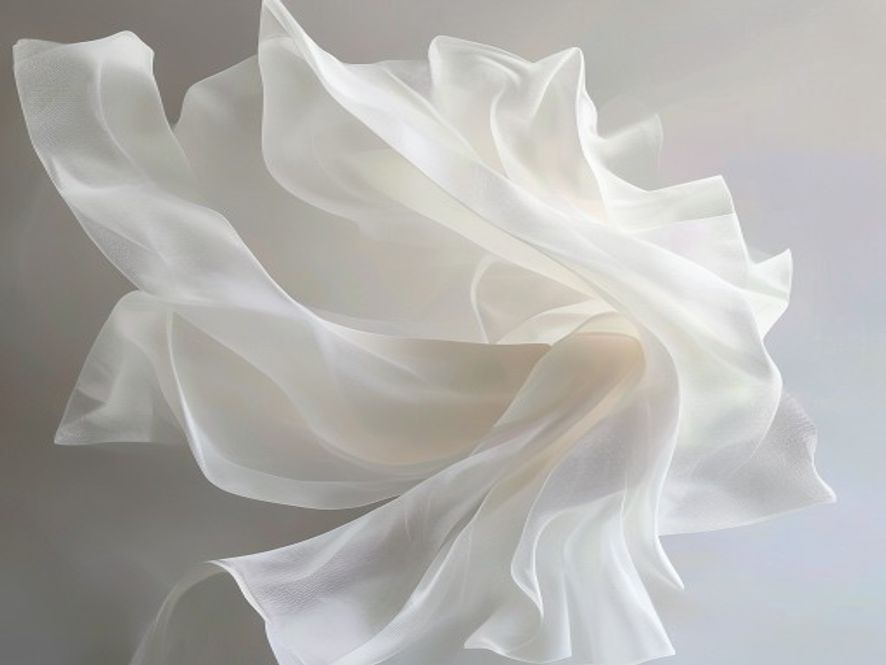
Price Spectrum and Value: From Budget to Luxury Options
When budgeting for a new collection, the cost of sheer fabrics can creep up quickly if you’re not careful about the specific type and finish you choose. Below is a straight‑forward rundown of price bands you’ll encounter for chiffon, georgette, and organza, broken down by GSM, finish, and typical market pricing in USD per yard.
Budget‑Friendly Options (US$10–$25 / yard)
- Polyester Chiffon – 75–95 D, 100 gsm, matte finish. Ideal for lightweight blouses or sheer overlays. Typical price: US$10–$15 per yard.
- Polyester Georgette – 90–110 D, 120–140 gsm, slightly textured. Works well for modest embroidered abayas. Typical price: US$12–$18 per yard.
- Polyester Organza – 60–80 D, 90–110 gsm, crisp but flexible. Good for structured sleeves or simple printed skirts. Typical price: US$15–$22 per yard.
Mid‑Range (US$25–$45 / yard)
- Polyester‑Silk Blend Chiffon – 75–85 D, 110–130 gsm, semi‑gloss. Adds a subtle sheen while keeping costs reasonable. Typical price: US$25–$35 per yard.
- Silk Georgette – 80–95 D, 150–170 gsm, with a soft crepe texture. Ideal for reflective abayas that need to hold embellishments. Typical price: US$30–$42 per yard.
- Silk Organza – 70–90 D, 120–140 gsm, high crispness. Suitable for bridal skirts with structured folds. Typical price: US$35–$45 per yard.
Premium / Luxury (US$45–$80 / yard)
- Silk Chiffon – 70–80 D, 140–160 gsm, buttery flow, premium finish. Used in high‑end gowns and couture scarves. Typical price: US$45–$60 per yard.
- Silk Georgette with 3‑layer weave – 90–105 D, 180–200 gsm, silky texture. Excellent for intricate embroidered abayas and luxury sarees. Typical price: US$55–$70 per yard.
- Silk Organza with decorative backing – 80–100 D, 140–160 gsm, reinforced for volumetric draping. Common in bridal wear with heavy embellishments. Typical price: US$65–$80 per yard.
Value‑Added Factors
- Yarn Evenness – Even, fine yarns reduce waste during cutting and sewing, saving up to 5–10 % on material cost.
- Snag Resistance – Fabrics graded A/B (top quality) lower labor costs in mass production; lower grades can lead to higher post‑production handling fees.
- Pre‑wash & Finish – Pre‑washed options eliminate shrinkage, cutting down on sample revisions. Pre‑finish (e.g., silk‑sheen) can add $1–$3 per yard but often justifies a higher price tag if your brand logo relies on a specific visual cue.
- Order Size – Bulk of 10,000 yards or more can trigger a 10–15 % discount across all three fabrics.
Balancing cost with expected performance is key. For instance, a silk chiffon at US$55 per yard might be worth the premium if your design demands a buttery drape that polyester simply cannot match. Conversely, a polyester organza at US$12 per yard can deliver the same structural integrity for a volume‑driven collection without breaking the bank.
Care & Longevity: Washing, Storage, and Life‑Cycle Considerations
When you’re sourcing sheer fabrics, the post‑production life of the material can make or break a collection’s profitability. Below is a pragmatic rundown of how chiffon, georgette, and organza fare under routine care, with concrete thresholds for GSM, care cycles, and cost implications.
1. Washing & Drying Cycles
- Chiffon (75‑100D polyester, 150‑200 gsm): Hand wash in cool water (≤30 °C) with a mild, non‑ionic detergent. Machine wash on “delicate” at 30 °C, no spin cycle. Dry flat on a towel, reshape immediately. Typical lifespan: 15–20 wash cycles.
- Georgette (70‑90D polyester, 200‑250 gsm): More robust than chiffon; machine wash on “normal” (30 °C) with neutral detergent, short spin. Dry on a rack, avoid direct sunlight. Typical lifespan: 25–30 wash cycles.
- Organza (100‑120D polyester, 250‑300 gsm): Requires a gentle hand wash or dry‑clean for best shape retention. Machine cycles are risky—if used, set to “delicate” and skip spin. Dry flat. Typical lifespan: 10–12 wash cycles (shrinkage and creasing quicken).
2. Colorfastness & Print Retention
Prints on organza are most susceptible to water damage; a 2‑day drying window after washing is critical. Georgette’s crepe‑twist yarns give it better resistance to fading—70% of prints maintain >80% saturation after 30 cycles. Chiffon prints may bleach after 12 cycles if exposed to sunlight during drying.
3. Storage & Handling
Store all sheers in a cool, dry hangar with a humidity level of 45‑55 %. Use perforated hangers to prevent creases. For long‑term storage, wrap in acid‑free tissue and place in a sealed garment bag. Avoid stacking heavy items on top of organza to prevent permanent wrinkles.
4. Repair & Maintenance Costs
Minor snags on chiffon can be reinforced with a small, matching‑color polyester thread—cost ≈ $0.02 per stitch. Georgette repairs are slightly pricier due to the need for a crimped stitch; estimate $0.05 per inch. Organza, being the stiffest, often requires professional repair; a 1‑inch seam repair averages $1.50.
5. Life‑Cycle Value Analysis
- Initial Cost – Chiffon: $5–$8/m2; Georgette: $7–$12/m2; Organza: $9–$15/m2.
- Number of Washes Until Decline – Chiffon: 15–20; Georgette: 25–30; Organza: 10–12.
- Total Usable Area Per Meter – Multiply initial cost by number of washes to get a rough cost‑per‑use metric. For example, a 100‑gsm chiffon at $6/m2 yields about $90 of usable fabric over its lifespan, whereas a 250‑gsm organza at $12/m2 yields ~$144.
- Maintenance Expense – Add repair and dry‑cleaning fees over the lifespan. For a high‑volume run, organza’s per‑use repair cost can offset its premium price in the long run.
By aligning the fabric’s inherent durability with your production schedule and washing policy, you can optimize both quality and cost while ensuring garments maintain their intended aesthetic through every cycle.
Matchmaking for Garments: When to Choose Chiffon, Georgette, or Organza
Choosing the right sheer fabric hinges on the intended silhouette, drape, and embellishment needs of the garment. Below is a quick reference for designers and buyers to align textile characteristics with specific design intents.
1. Flowy Maxi Dresses & Light Coverings
- Fabric: Chiffon (Polyester 75–100 D, Silk 100 D)
- GSM: 30–45 g/m² (1–1.5 oz per square yard)
- Transparency: 80–90 % (highly sheer)
- Drape: Soft, waterfall; minimal structure
- Embroidery/Print: Fine, delicate motifs only; heavy embellishment drags fabric
- Cost: $8–$15 per yard for polyester; $25–$35 for silk
- Care: Dry‑clean only; avoid high heat
- Ideal Use: Beachwear, evening gowns, bridal overlays
2. Draped Abayas, Sarees, and Structured Dresses
- Fabric: Georgette (Polyester 95–125 D, Silk 120 D)
- GSM: 45–60 g/m² (2–2.5 oz per square yard)
- Transparency: 60–70 % (moderate sheer)
- Drape: Slightly weighted, crepe‑like; holds shape better than chiffon
- Embroidery/Print: Excellent support for sequins, beads, or heavy threadwork; holds detail without distortion
- Cost: $12–$18 per yard for polyester; $28–$38 for silk
- Care: Machine wash (cold, gentle cycle) or hand wash; dry flat
- Ideal Use: Islamic wear, festive sarees, formal sleeve panels
3. Statement Sleeves, Bridal Skirts, and Structured Tops
- Fabric: Organza (Polyester 70–80 D, Silk 120 D)
- GSM: 35–55 g/m² (1.2–1.8 oz per square yard)
- Transparency: 70–80 % (crisp, semi‑sheer)
- Drape: Stiff, holds volume; minimal flow
- Embroidery/Print: Heavy, structured embellishments thrive; vibrant prints maintain crispness
- Cost: $10–$16 per yard for polyester; $30–$42 for silk
- Care: Hand wash or dry clean; avoid folding to prevent creases
- Ideal Use: Bridal gowns, evening wrap jackets, dramatic sleeve accents
4. Quick‑Turn Overprints or Block Prints
When the design requires vibrant, flat‑lying prints, organza provides the necessary stiffness for high‑resolution block printing. Chiffon, due to its fluidity, is better suited for screen‑printed or silk‑screen designs that rely on flow. Georgette balances both, allowing moderate depth without sacrificing print clarity.
5. Budget vs. Luxury Segments
- Polyester variants: Offer lower price points, faster production, and higher durability—ideal for fast‑fashion lines.
- Silk variants: Deliver luxury feel and premium drape; suitable for high‑end bridal and couture.
- Price bands: Polyester: $5–$20/yard; Silk: $20–$50/yard.
Consider the garment’s silhouette, embellishment load, and customer segment when selecting the sheer fabric. Matching the fabric’s inherent properties to the design intent guarantees both aesthetic success and functional performance.
Conclusion
When the silhouette demands a whisper of luxury, let the fabric’s character dictate the choice. For a flowing maxi dress that breathes, chiffon’s light, silk‑like glide delivers effortless elegance. If you need a subtle weight that still offers structure—think abayas or layered sarees—georgette’s textured, subtle crepe drape balances sheer with grace. For bold, sculpted details such as voluminous sleeves or a bridal skirt that must hold its shape, organza’s crisp, almost rigid silhouette provides the perfect canvas for embroidery, lace, or high‑contrast prints.
From a buyer’s standpoint, focus on the key markers: even yarn count for consistent transparency, minimal snags for easy construction, and GSM that matches your design’s intended drape. Match the weave’s natural finish to your embellishment plan—chiffon for delicate overlays, georgette for secure spot‑sewing, and organza for structured, embroidered motifs. Keep price brackets in mind: polyester chiffons are budget‑friendly, silk variants command premium, while georgette and organza occupy their own mid‑range tiers.
Ready to see these fabrics in person? Reach out to Yituo Fabric for complimentary A4 swatches—our 20+ years of manufacturing expertise guarantees quality, and we promise a 24‑hour response to help you make the perfect selection.