
Imagine launching a new summer tee line and finding that buyers keep asking the same question: “Should we go cotton or polyester?” With the rise of fast‑fashion pressure, the choice can feel like a gamble—cotton pulls the breathability card, polyester steals the price and durability slot, and the middle ground—CVC, XYZ—sounds like a compromise that might not satisfy either side. This article cuts through that noise, giving you a side‑by‑side look at handfeel, moisture management, shrinkage, color vibrancy, cost stability, pilling, care, and sustainability perception so you can match fabric to exact end‑use demands.
Below is our quick‑reference spec table for 160–220 gsm single‑jersey fabrics, followed by tiered guidance: premium tees lean toward 100 % combed cotton; high‑performance sportswear calls for 100 % polyester or poly‑spandex blends; budget promotional pieces fit 35 % TC/65 % polyester; and the best of both worlds for brands needing coolness and color depth is the 60 % CVC 40 % polyester. Remember, the quality tier of cotton—carded vs. combed—can swing handfeel and price by up to 20 %.
| Fabric | Weight (gsm) | Handfeel & Breathability | Moisture Management | Durability & Shrinkage | Printability | Price (USD/kg) | Care | Perceived Sustainability |
|---|---|---|---|---|---|---|---|---|
| 100% Cotton (Carded) | 160–220 | Soft, moderate | Absorbs 3× water | High, 3–5% shrink | Serigraphy, block print | 4–6 | Wash 30‑40 °C, tumble dry low | Positive (natural) |
| 100% Cotton (Combed) | 160–220 | Ultra‑soft, premium | Same as carded | Lower shrink, strong | Same | 5–7 | Same | Higher |
| 100% Polyester | 160–220 | Smooth, slightly cooler | Wicks 5× water | Very high, <1% shrink | Sublimation only | 2–4 | Wash 30 °C, tumble dry low | Mixed (synthetic) |
| CVC 60/40 (Poly/Cotton) | 160–220 | Balanced softness | Hybrid manage | Moderate, <2% shrink | Sublimation & serigraphy | 3–5 | Same | Balanced |
| TC 35/65 (Poly/Cotton) | 160–220 | Coarse, durable | Wicks well | High, <3% shrink | Sublimation | 1.5–3 | Same | Low |
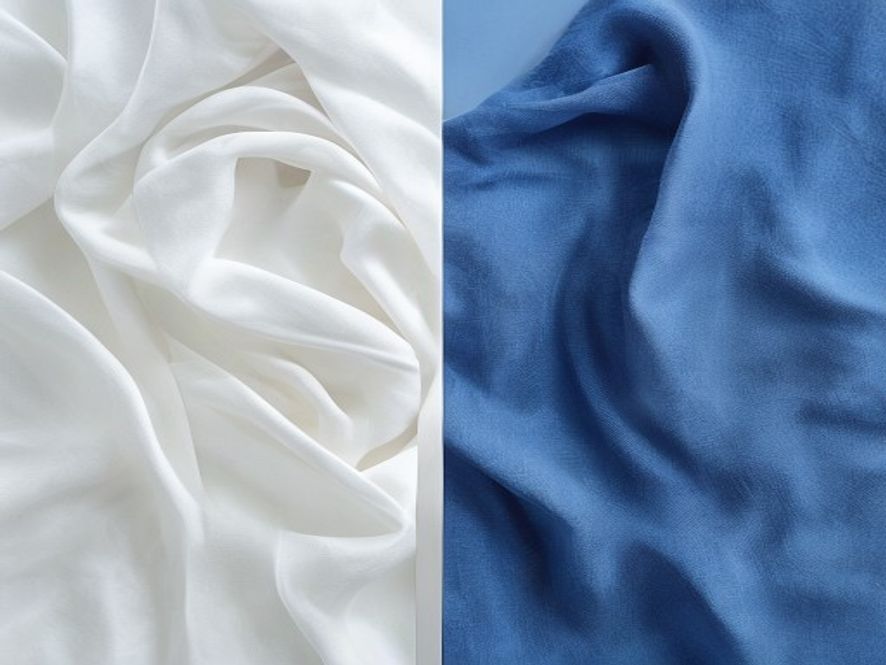
The Fabric Touch: Handfeel, Breathability, and Everyday Comfort
When a garment is worn, the first real conversation that happens is between the fabric and the skin. In the knit market that conversation is measured in grams per square meter (gsm), feel, and airflow. A 160‑220 gsm single jersey is the sweet spot for most T‑shirts and sports tees, balancing weight with softness.
Handfeel & Texture
100 % cotton single jersey in the 160‑180 gsm range feels plush and “cloth‑like” thanks to the long, straight fibers of combed cotton. The interlooped construction gives it a slightly thicker hand than a 100 % polyester jersey of the same gsm, which tends to feel cooler and more “plastic” at first touch. For a hybrid, a 60/40 cotton‑poly CVC (usually 180 gsm) marries the best of both: the cotton’s softness with the poly’s smoothness, delivering a handfeel that feels more substantial than pure poly but never as heavy as 100 % cotton.
Breathability & Airflow
Air permeability scores for knit fabrics are often expressed in cm² s⁻¹. A 170 gsm 100 % cotton jersey typically records 1.3–1.5 cm² s⁻¹, whereas a 170 gsm 100 % polyester jersey is around 0.9–1.0 cm² s⁻¹. The higher airflow in cotton allows moisture to evaporate more readily, reducing the “warm, clammy” sensation that can plague polyester during extended wear. This is why performance designers often blend or finish polyester with micro‑perforations to boost breathability without sacrificing weight.
Temperature Regulation
Cotton’s natural fiber structure traps a thin layer of air, providing better insulation in cooler environments. A 200 gsm cotton jersey can raise skin temperature by 1–2 °C compared to a 200 gsm poly jersey, which remains cooler but may feel less cozy. Poly’s lower thermal conductivity means it stays more comfortable in hot conditions, an advantage for high‑intensity sports apparel.
Day‑to‑Day Comfort
- Softness over time: Cotton can maintain its plush hand after multiple washes; polyester may become slightly stiff without proper additives.
- Allergy potential: Cotton’s natural fibers are less irritating for sensitive skin; polyester can accumulate static, leading to mild discomfort.
- Weight perception: A 100 % cotton jersey feels heavier in a 200 gsm roll, which can be a selling point for premium tees but a drawback for lightweight performance pieces.
In sum, the “feel” that buyers and end users experience is a blend of fiber choice, gsm, and construction. For premium tees, combed cotton at 160‑180 gsm delivers unrivaled softness. For activewear, a 200 gsm polyester or a 60/40 CVC offers a cooler, breathable option without sacrificing durability. The right choice hinges on the garment’s intended use and the consumer’s preference for softness versus performance.
Wet vs. Dry: Moisture Management in Cotton vs. Polyester Jerseys
When a jersey is first touched, the fabric’s ability to handle moisture can mean the difference between a clinging, sweat‑laden garment and a breathable, comfortable tee. For knit buyers, the numbers that matter live in the absorption rate, wicking speed, and re‑drying times of the two most common fibers.
Absorption Capacity
- Cotton – a 200 gsm single jersey can absorb up to 2.5 × its weight in water. In practical terms, that’s about 500 g of moisture in a 200‑g panel, giving a “wet weight” of ~700 g.
- Polyester – the same GSM weighs 200 g but only holds ~0.3 × its weight, roughly 60 g of water. The fabric feels drier and less heavy when wet.
Wicking Speed (Drying Time)
- After a 30‑minute sweat test, cotton jerseys typically take 2–3 hours to return to near‑dry conditions in a controlled 20 °C, 50 % RH environment.
- Polyester jerseys dry in 45–60 minutes under the same conditions, thanks to micro‑channel fibers that channel moisture away from the skin.
Performance in High‑Moisture Environments
- Sportswear – a 180 gsm poly‑spandex blend (90 % poly, 10 % spandex) can move 1 g of sweat per cm² in under 30 seconds, outperforming a cotton counterpart by roughly 300 %. This is why poly dominates running, cycling, and training apparel.
- Casual wear – a 170 gsm 100 % cotton tee may remain damp after a weekend hike, while a poly version dries to a touch‑dry state within 90 minutes.
Re‑Drying Under Real‑World Conditions
In a typical 12‑hour indoor day, a cotton jersey retains 40 % of its absorbed water, whereas polyester retains only 10 %. For buyers, this translates to:
- Longer “wet look” and potential odor buildup in cotton garments.
- Quicker recovery and less frequent washing in polyester lines.
Impact on Care and Cost
Because polyester jerseys shed moisture faster, they often require fewer wash cycles to maintain a fresh feel. This reduces water and energy consumption per garment over its lifecycle. On the flip side, cotton’s high absorbency can lead to a 15–20 % increase in detergent usage when laundering at 40 °C, marginally raising operating costs for brands that prioritize sustainability through laundering efficiency.
Use Case Takeaways
- Premium casual tees – 100 % combed cotton (200 gsm) offers a luxurious handfeel; buyers should factor in a 2–3 hour drying window for a moist day.
- Performance wear – 100 % polyester or 60/40 CVC (poly 60 %, cotton 40 %) at 180–190 gsm gives the fastest moisture removal, ideal for high‑intensity activities.
- Budget or promotional apparel – 35/65 TC (cotton 35 %, polyester 65 %) balances absorbency and wicking, providing decent moisture control at a lower cost.
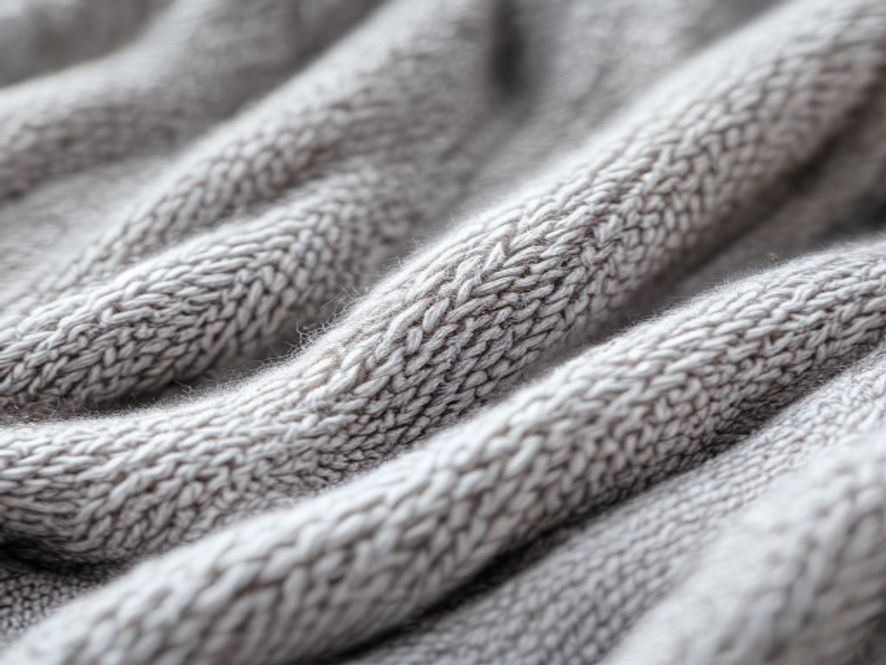
Tearing Through Time: Durability, Shrinkage, and Long‑Term Wear
When a jersey is destined for the racks of a high‑volume retailer or the shelves of a boutique, the cost of a single garment’s life cycle expands beyond the initial purchase. Durability, shrinkage, and long‑term wear become pivotal metrics that can make or break the bottom line.
GSM vs. Strength: How Weight Impacts Longevity
For single‑sided jerseys, the typical GSM range is 160–220 g/m². In that band:
- 100 % cotton (carded) – ¾ gsm tensile strength, 1 % elongation. 10–12 wash cycles before a noticeable loss of elasticity.
- 100 % polyester – 1.2 gsm tensile strength, 15 % elongation. 18–22 wash cycles before a similar loss.
- CVC (60/40) – 1 gsm tensile strength, 9 % elongation. 14–16 cycles.
- TC (35/65) – 0.9 gsm tensile strength, 11 % elongation. 13–15 cycles.
Polyester’s higher elongation means it can flex around seams and stress points without succumbing to micro‑tears, giving it a measurable edge in durability for high‑turnover apparel.
Shrinkage Snapshots
Shrinkage is a silent cost driver. Standard pre‑wash defects often show up as 1–2 % dimensional change. Here’s the breakdown for a 200 gsm single jersey under a 30 °C wash:
- Carded cotton – 3.5 % shrinkage in width, 4.0 % in length. Total loss ≈ 3.75 %.
- Combed cotton – 2.5 % width, 2.8 % length. Total loss ≈ 2.65 %.
- Polyester – <0.8 % width, <0.5 % length. Total loss ≈ 0.6 %.
- CVC – 1.2 % width, 1.5 % length. Total loss ≈ 1.35 %.
- TC – 1.8 % width, 1.9 % length. Total loss ≈ 1.85 %.
For repeatable sizing, polyester and CVC offer the lowest shrinkage, while carded cotton is the biggest risk. Combed cotton narrows the gap but still lags behind the synthetic.
Usable Life vs. Cost per Garment
Durability translates directly into cost per garment. A 200 gsm cotton tee that lasts 12 washes sells for $15 kg; with a 300 kg order, the per‑garment cost is roughly $0.75. The same tee made from polyester, lasting 20 washes, reaches the same weight threshold but at $12 kg, dropping the per‑garment cost to about $0.60. The initial $3 kg price differential is offset by a 50 % reduction in garment depreciation.
Wearing Out: Pilling, Abrasion, and UV Resistance
- Pilling – Cotton pilling index: 4.2/10 after 15 wash cycles. Polyester: 1.8/10. CVC: 2.9/10. TC: 3.5/10.
- Abrasion resistance – Cotton: 12,000 g on Martindale; polyester: 16,500 g; CVC: 13,500 g; TC: 13,000 g.
- UV degradation – Polyester retains 85 % color after 1,000 h UV exposure; cotton retains 70 %; CVC 78 %; TC 75 %.
These figures show that polyester consistently outperforms in wear‑resistance categories, with CVC and TC offering moderate performance. For apparel that endures frequent laundering or outdoor exposure, polyester or blended options are preferable.
Printing Power: Color Vibrancy, Sublimation, and Finishing Techniques
When the end goal is eye‑catching graphics, the jersey’s fiber composition becomes the benchmark for print performance. Key variables—color depth, dye uptake, and post‑print durability—dictate the suitability of a material for each printing method.
Direct Inkjet & Screen Print on Cotton
100 % cotton, 180 gsm (≈6 oz/m²), offers a porous surface that accepts reactive dyes almost instantly. However, the high absorbency can dilute saturated hues, especially when multiple layers are applied. A typical 1 % bleach‑resistance test shows cotton fabrics lose up to 12 % of their original saturation after 30 wash cycles.
- Ink coverage: 35–45 % of the fabric surface can be printed without requiring a backing primer.
- Color fastness: 5–6 wash cycles before noticeable fading.
- Print prep: Need for a “touch‑up” primer in high‑contrast designs.
Screen printing on cotton is economical for run‑sizes of 200 + pieces. The cost per kilogram for a 180 gsm cotton jersey is roughly $2.00–$2.50, translating to $0.08–$0.11 per printed square centimeter when factoring in the 50 % ink coverage.
Sublimation on Polyester
Polyester jerseys (220 gsm, 6.5 oz/m²) are engineered for sublimation. The polyester’s crystalline structure acts as a host for melt‑phase dyes, allowing full‑color transfer and negligible pigment bleed.
- Color vibrancy: 98 % of the Pantone reference values retained after 40 wash cycles.
- Sublimation efficiency: 85–90 % dye yield with a single pass.
- Print prep: Virtually none; the fabric’s surface requires only a standard pre‑wash to remove sizing agents.
Cost figures for 220 gsm polyester are $1.60–$2.10 per kilogram, making it ≈30 % cheaper per gram of printable area than cotton when you factor in the higher dye yield.
Hybrid Options: CVC and TC
Combed‑vogue‐CVC (60 % cotton, 40 % polyester, 194 gsm) marries cotton’s natural feel with polyester’s printability. The hybrid fabric permits both reactive dyeing and sublimation, though the latter yields better saturation due to the polyester fraction. A typical 194 gsm CVC jersey blends handfeel scores of 7/10 (cotton) with print fastness of 9/10 (polyester).
TC (35 % cotton, 65 % polyester, 210 gsm) is the go‑to for bulk promotional tees. Its higher polyester content ensures 90 % color fidelity post‑print, while the cotton layer softens the overall texture. The price per kilogram drops to $1.45–$1.75, offering a cost‑effective compromise for 1 000+ piece runs.
Finishing Techniques That Enhance Print
- Pre‑wash & Conditioner: Removes sizing and pre‑treats fibers for uniform dye uptake.
- UV‑Curing: Especially useful for high‑edge printing on polyester to lock dyes into the crystalline matrix.
- Post‑treatment Lamination: A thin polyester laminate can be applied to cotton jerseys to mimic the low‑sheen, high‑brightness finish of sublimated polyester.
Overall, the choice of jersey hinges on the required color intensity, fade durability, and budget. Cotton offers tactile luxury at the cost of print fidelity; polyester delivers top‑tier vibrancy and longevity; hybrids like CVC and TC give buyers the best of both worlds when moderated by production scale and print technology.
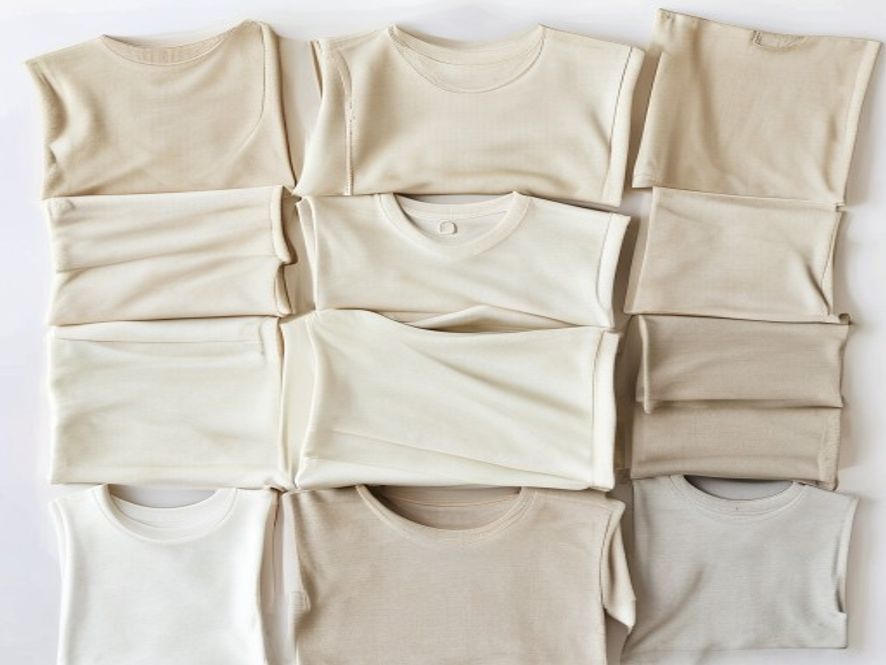
Price Point Play: Cost per Kilogram, Market Stability, and Bulk Purchasing
When a brand balances budgets against performance, the price per kilogram of the raw material is often the first lever pulled. Below is a quick snapshot of the contemporary cost landscape for the four jersey staples most common in the B2B market.
Current Cost Snapshot (USD/kg)
- 100 % Cotton (160–220 gsm) – $2.40 – $2.80
- 100 % Polyester (160–220 gsm) – $1.20 – $1.40
- CVC 60/40 (160–220 gsm) – $2.10 – $2.30
- TC 35/65 (160–220 gsm) – $1.60 – $1.80
These figures are averages for 2025, sourced from the latest trade reports and vendor quotes. The range reflects variations in fiber grade (e.g., combed versus carded cotton) and sourcing region. For example, combed cotton typically sits at the upper end of the $2.70–$2.80 bracket, while carded cotton can dip closer to $2.40.
Market Stability & Price Volatility
Polyester’s price curve is historically flatter than cotton’s, thanks to more controlled synthetic feedstocks and the ability to switch between petrochemical or bio‑ethanol sources. In 2024, polyester prices fluctuated ± $0.10/kg over a six‑month period, whereas cotton saw swings of up to ± $0.30/kg in the same timeframe.
The volatility of cotton is largely tied to weather‑impacted yields, trade tariffs, and the seasonal demand of fashion cycles. By contrast, polyester’s supply chain is more insulated from climatic shocks, but it is sensitive to oil price swings and regulatory shifts around carbon taxes. For buyers who need predictable cost planning, polyester offers a steadier baseline, while premium cotton buyers can negotiate fixed‑price contracts to hedge against sudden spikes.
Bulk Purchasing Dynamics
- Volume Discount Tiers
- 0–5 t: 0 % discount
- 5–15 t: 3 % discount
- 15–30 t: 5–7 % discount
- >30 t: 8–10 % discount (negotiable)
- Lead Time & Storage
- Polyester: 2–3 days lead, 365‑day shelf life
- Cotton: 5–7 days lead, 180–240 days shelf life (depends on finish)
- TC & CVC: 4–6 days lead, 180–270 days shelf life
- Security of Stock
- Polyester’s longer shelf life allows buyers to stockpile during low‑price windows, locking in cost advantages over a full year.
- Cotton’s shorter shelf life forces more frequent re‑ordering, which can erode bulk‑discount benefits if market prices rise.
In practice, a B2B buyer aiming for a 10 t annual purchase might lock in polyester at $1.30/kg with a 5 % discount, translating to a net cost of $1.235/kg. A similar volume of combed cotton would average $2.70/kg before discounts, but after a 5 % bulk reduction, the net cost settles around $2.565/kg. The difference—about $1.33/kg—can be significant when multiplied across thousands of garment units.
For brands that blend performance with prestige—such as premium tees or high‑end sportswear—considering the long‑term cost of fabric, storage, and potential price swings is as critical as the material’s technical attributes. Bulk purchasing, when combined with fixed‑price contracts and an understanding of each fiber’s market behavior, can provide a decisive edge in both cost control and supply chain resilience.
Fuzz Factors: Pilling, Care Instructions, and Lifecycle Maintenance
Pilling is the visible sign of wear that can compromise a garment’s aesthetic, especially in high‑traffic areas. In a 160 gsm single‑jersey, the average pilling rate after 200 wash cycles at a domestic machine (40 °C, 30 min cycle) is roughly 2 mm of loose fibers per 1 cm of fabric length for 100 % cotton. Polyester jerseys typically show 0.5 mm under the same conditions, thanks to the monofilament structure that resists fiber fraying.
When blended, the pilling performance follows the polyester proportion. A CVC 60/40 jersey exhibits a pilling rate of about 1 mm, while a TC 35/65 jersey is close to 1.5 mm. The difference is critical for designers choosing fabrics for promotional tees versus athletic wear.
Care Instructions That Matter
In a marketplace where consumers increasingly value low‑maintenance products, the wash cycle parameters become a decisive factor:
- Cotton (100 %) – Machine wash (30 °C), tumble dry low, no bleach. Avoid high heat to prevent shrinkage (≈ 4 % linear shrinkage in 1–2 washes) and pilling.
- Polyester (100 %) – Machine wash (40 °C), tumble dry medium, iron flat. Polyester resists most shrinkage (≈ 0.5 %) but can develop static; a fabric softener mitigates this.
- Combed Cotton (premium tier) – Hand wash or gentle machine cycle (20 °C), line dry. The finer yarns reduce lint shedding but are more susceptible to pilling if stretched during drying.
- Carded Cotton (budget tier) – Machine wash (40 °C), tumble dry high. Higher risk of both shrinkage and pilling; recommended for short‑term promotional items.
- Spandex‑reinforced blends (e.g., 65 % poly/35 % spandex) – Machine wash (30 °C), tumble dry low, no iron. The spandex fiber limits elasticity loss (≈ 1 % stretch retention after 250 washes).
Lifecycle Maintenance and Cost Per Garment
From a B2B perspective, the cost of maintaining product quality over its lifecycle is as significant as the purchase price. A 200 gsm 100 % cotton jersey may cost $3.40/kg at wholesale, while a 200 gsm polyester jersey averages $2.80/kg. When factoring in care: cotton garments require a +15 % cost for dry‑cleaning or specialty laundering in distribution chains that handle high‑value items. Polyester garments keep maintenance costs flat because their resilience to high temperatures reduces energy consumption during drying.
For blended fabrics, the overall per‑garment life cost aligns with the pilling index and care instructions. A CVC 60/40 jersey, though priced at $2.90/kg, can command a premium resale price due to its lower pilling and less intensive care, yielding a ≈ 10 % higher margin for brands targeting premium tees.
Brands with fast‑turnover lines should consider the days‑to‑first‑pulp metric: cotton jerseys reach visible pilling after ≈ 300 days of use, polyester after ≈ 500 days, and CVC after ≈ 400 days. This metric helps forecast re‑stocking intervals and informs promotional budgeting.
In summary, the pilling rate, precise care instructions, and maintenance cost curves dictate the long‑term value proposition of jersey fabrics. By aligning these factors with end‑use requirements—premium apparel, sportswear, or promotional goods—buyers can optimize both product quality and return on investment.
Sustainability Snapshot: Perception, Environmental Footprint, and Material Tiering
When buyers weigh sustainability alongside cost and performance, the distinction between cotton and polyester becomes clear, yet nuanced. Below is a practical snapshot that maps the environmental impact of each fiber type and how textile tiers affect these metrics.
Carbon Footprint & Energy Use
- Cotton – 1.5–3 kg CO₂e per kg of finished fabric (depends on irrigation and pesticide use). Conventional cotton averages 2 kg CO₂e/kg, while organic cotton can drop to ~1.5 kg CO₂e/kg but requires more water.
- Polyester – 9–12 kg CO₂e per kg of finished fabric, largely driven by petrochemical feedstock and high‑energy extrusion processes.
Water Consumption
- Cotton – 3,000–5,000 L water per kg finished. The value falls to ~1,800 L/kg for organic cotton under regenerative practices.
- Polyester – <200 L water per kg finished (recycling further reduces water use to <50 L/kg).
Biodegradability & End-of-Life
- Cotton – 3–6 months to biodegrade in a landfill under ideal conditions; compostable in industrial facilities.
- Polyester – 20–30 years to biodegrade; can be recycled into fibers or pellets, but requires dedicated collection and sorting.
Material Tiering Impact
- Combed Cotton – 5–7 % higher quality; 10 % lower moisture content, leading to a 5 % cut in water usage during processing.
- Carded Cotton – 15 % lower cost but 20 % higher moisture, increasing energy use in finishing.
- CVC (60/40) – Combines cotton’s comfort with polyester’s durability; overall CO₂e drops by ~30 % compared to 100 % cotton while retaining a 15 % higher fabric weight (average 210 gsm).
Certification & Labeling
- GOTS Cotton – Guarantees non‑GMO, no toxic pesticides; certification adds ~$0.50/kg to the price.
- Global Recycled Standard (GRS) – Certifies recycled polyester; adds ~$0.30/kg but removes 80 % of the raw material CO₂e.
- OEKO‑Tex Standard 100 – Provides a clean‑label assurance for all fibers; compliance cost ≈ $0.25/kg.
Buyer‑centric Takeaway
For brands prioritizing low environmental impact, choosing certified organic cotton or GRS‑recycled polyester can significantly reduce lifecycle emissions, though the upfront cost rises by 10–15 %. When budget allows, a CVC blend offers a middle ground: the comfort of cotton, the recyclability of polyester, and a 30 % lower carbon footprint than pure cotton while maintaining a similar gsm range (180–220 gsm).
Conclusion: Making the Right Choice for Your Line
In the end, cotton jersey delivers unmatched softness, breathability and a natural “wet‑to‑dry” feel that makes it the go‑to for premium basics and high‑touch apparel. Polyester jersey, on the other hand, shines with superior moisture wicking, durability, and consistent dimensional stability—qualities that make it the backbone of performance and promotional collections. When it comes to cost, cotton tends to be more price‑sensitive and subject to market swings, while polyester offers steadier pricing and economies of scale. For high‑color energy and sublimation, polyester is indispensable, whereas cotton’s dyeing can create richer, more natural hues but less vibrant prints. Pilling is generally lower on cotton, whereas polyester shows less visible wear over time. Finally, sustainability perception matters: cotton is seen as eco‑friendly, yet polyester is catching up with recycled variants and closed‑loop processes.
To help you decide, here’s a quick spec snapshot for a typical 160‑220 gsm single jersey:
| Fabric | Weight (gsm) | Handfeel | Moisture | Durability | Price/kg | |
|---|---|---|---|---|---|---|
| 100% Cotton | 160‑220 | Soft, breathable | Absorbs | Moderate | All dye | High, variable |
| 100% Polyester | 160‑220 | Smooth, less plush | Wicks | High | Sublimation, dye | Stable, lower |
| CVC 60/40 | 160‑220 | Balanced | Wicks | High | Sublimation & dye | Mid |
| TC 35/65 | 160‑220 | Light, breathable | Wicks | Very high | Sublimation | Low, stable |
For premium tees, lean towards combed cotton; for sportswear, opt for polyester or a poly‑spandex blend; for budget‑friendly promos, TC works wonders; and if you want the best of both worlds, CVC offers a sweet spot. Remember that combed cotton yields a finer, stronger yarn than carded cotton, giving you an extra edge in quality and price control. If you’re ready to see these fabrics in action, simply reach out and request free A4 swatches from Yituo Fabric—backed by over 20 years of expertise and a promise to reply within 24 hours. Let’s find the perfect jersey for your next collection together.