
Picture this: the launch of your winter capsule line, and the first order from a flagship boutique is a 30‑piece oversized sherpa jacket that’ve already sold out within 48 hours. You’re juggling two questions—what fabrics will keep your collections ahead of the curve, and how can you balance performance, sustainability, and price? In 2026, the answer lies in five decisive material beats that are reshaping outerwear.
From heavyweight 400 gsm sherpa and teddy fleece powering voluminous silhouettes, to quilted‑bonded hybrids that marry fleece softness with a woven shell’s durability, to growing demands for recycled and GRS‑certified technical textiles, every trend is a strategic advantage. Cationic two‑tone fleeces and melange effects elevate premium basics, while brushed‑twill, melton‑style polyester offers a wool‑look at a fraction of the cost. These fabrics are not just performance upgrades—they’re sales catalysts, each with a clear weight specification, garment target, and a price trajectory that outperforms last season’s offerings. Dive in to understand which materials can steer your line to success, and how to source them efficiently across 20+ markets.
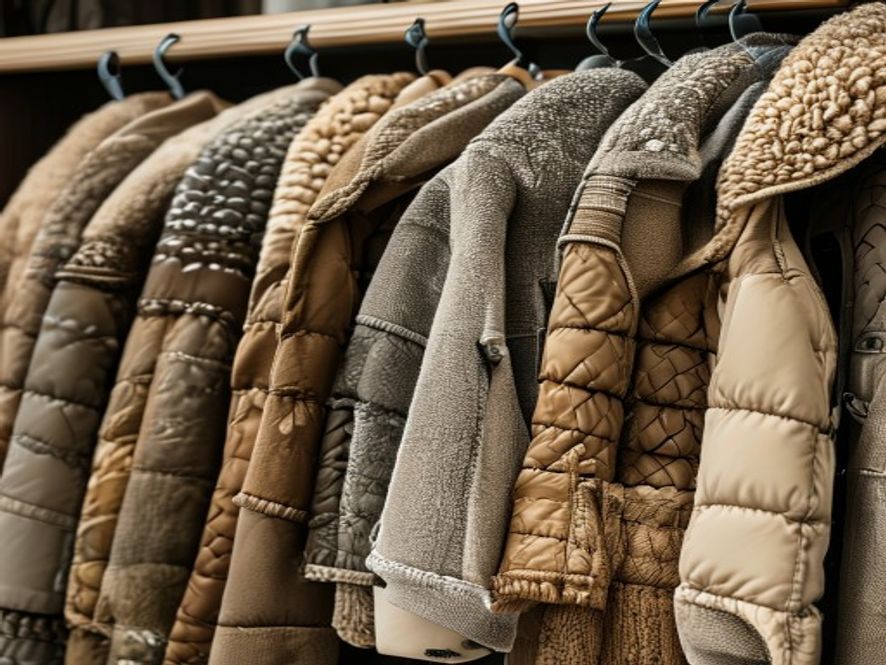
Oversized Warmth: Heavyweight Sherpa & Teddy Fleece at 400+ GSM
In 2026, the demand for oversized, hyper‑warm outerwear has surged, with brands pushing the envelope on bulk and comfort. Heavyweight sherpa and teddy fleece—both hovering above 400 gsm—are the go‑to fabrics for oversized jackets, puffer coats, and layering pieces. Their superior insulation, plush texture, and visual heft resonate with consumers looking for both performance and style.
Why It’s Selling
- Heat retention: At 400–500 gsm, these fabrics trap air efficiently, offering up to 30 % more warmth than 250–300 gsm mid‑weight fleeces.
- Comfort factor: The dense, fluffy pile delivers a soft‑on‑skin feel that scales with brand positioning—premium or value.
- Visual appeal: The oversized silhouette paired with a chunky, textured fabric creates a statement look that dominates streetwear and athleisure trends.
Target Garments & Construction
- Oversized puffer jackets with a 3‑layer construction: outer shell, 400–450 gsm sherpa lining, and a 50 % nylon webbing binder.
- Full‑length teddy fleece coats for casual luxury lines, featuring a 420 gsm core and 70 % polyester blend for durability.
- Layering hoodies in a 380 gsm sherpa‑cotton blend, finished with ribbed cuffs and a quarter‑zip fly.
Key Spec Pointers
- Weight: 400–500 gsm (1.3–1.6 oz/yd²).
- Pile height: 1.5–2.5 mm.
- Knitted density: 150–200 spp (seeds per inch) for sherpa; 200–250 spp for teddy fleece.
- Drop stitch ratio: 1:5–1:7 for optimal bulk without compromising flexibility.
Price Positioning vs 2025
Heavyweight sherpa and teddy fleece prices have risen by 12–15 % YoY, reflecting increased raw‑material costs and higher yarn counts. In 2025, a 420 gsm sherpa fetched roughly $14 per meter; in 2026, the same spec averages $16.30. Brands can offset this by:
- Negotiating bulk contracts (≥ 5,000 m) for a 4–5 % discount.
- Exploring blended yarns (e.g., 60 % polyester, 40 % recycled nylon) to shave 1–2 % off unit cost.
- Leveraging our 200+ looms for tighter production schedules, reducing lead time from 30 to 18 days.
Ultimately, the premium feel and performance justify the slight price lift, especially for brands that market size and texture as core differentiators. With the right sourcing strategy, buyers can secure high‑quality heavyweight fleece that meets consumer expectations while staying within margin targets.
Hybrid Softshells: Quilted & Bonded Constructions with Foam or TPU Layers
Softshell hybrids have become the go‑to structure for brands that want a single outer layer to perform as a windbreaker, raincoat and casual jacket. 2026 buyers are gravitating toward pieces that marry a high‑performance shell with internal insulation—either a low‑density foam insert or a TPU‑bonded fleece core—while preserving a lightweight feel.
Construction Breakdown
- Shell: 3‑sided nylon or polyester ripstop, 150–170 gsm, with DWR finish. Typical weight: 0.9–1.0 oz per sq ft.
- Foam Layer: Polyurethane foam, 6–8 mm thick, 20–25 gsm, 0.15 oz per sq ft. Provides thickness without bulk.
- TPU Bonding: Thin TPU laminate (0.5–0.7 mm) bonded to the shell or fleece. Adds water resistance without affecting drape.
- Fleece Core: Lightweight polyester or recycled polyester, 100–120 gsm, 0.6 oz per sq ft. Keeps the garment breathable yet warm.
When combined, the total construction sits at roughly 280–320 gsm (≈ 0.4–0.5 oz per sq ft). The foam or TPU layer gives the jacket a “soft” shoulder profile while the shell keeps the garment wind and rain resistant.
Why It’s Selling
- Performance‑over‑bulk: Brands can offer 3‑in‑1 functionality (shell, insulation, storm shell) in a single garment. Retailers appreciate the reduced need for a separate inner jacket.
- Energy‑efficient manufacturing: Bonding processes are faster than traditional quilting, cutting labor time by 20–30 %. This translates to a price drop of $0.20–$0.30 per yard compared to 2025 stitched hybrids.
- Eco‑label appeal: When foam is derived from recycled PET or TPU is produced via closed‑loop processes, the product meets the growing demand for GRS‑certified outerwear.
Target Garments
- Oversized bomber jackets for streetwear lines.
- Midweight parkas for travel and commuter collections.
- Technical windbreakers for sportswear and athleisure brands.
Pricing Snapshot
Compared with 2025’s stitched quilted jackets (average $1.85/yard), bonded hybrids are priced at $1.55–$1.65/yard. The 15–20 % price advantage comes from both lower material costs (foam 32 % cheaper than quilted padding) and reduced labor hours.
Sourcing Tips
- Prioritize suppliers that offer dual‑bonding options—foam for bulk, TPU for premium runs.
- Negotiate volume‑based discounts starting at 15 % for orders above 10 tons.
- Request technical data sheets that specify wind resistance (≥ 200 mm) and water penetration (≥ 5000 mm).
- Ensure post‑production testing is conducted by an accredited lab (e.g., ASTM F1867) to validate performance claims.
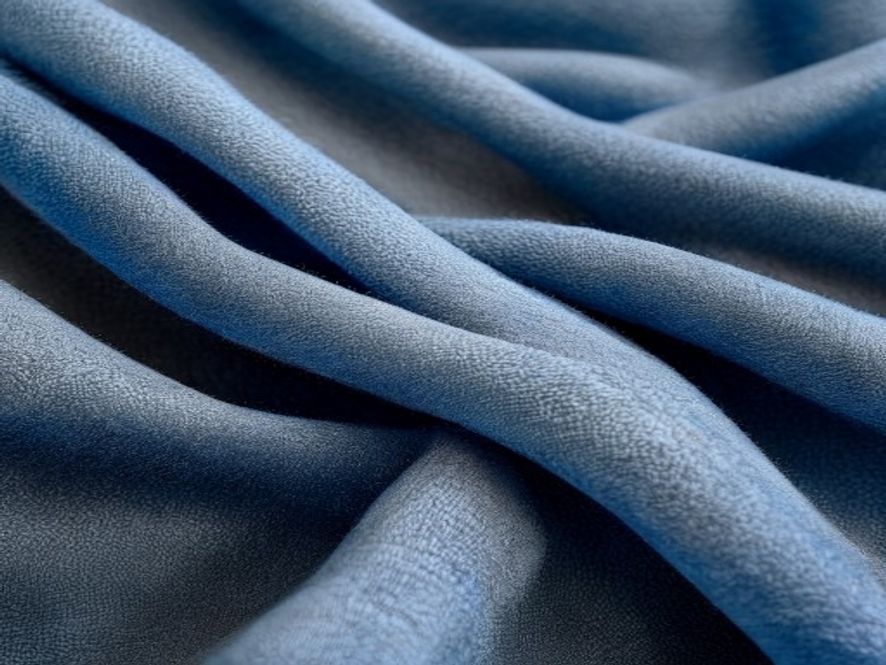
Going Green: Recycled & GRS‑Certified Technical Fabrics in Outerwear
The 2026 winter market is seeing a sharp pivot toward sustainability, driven by both regulatory pressure and consumer demand for traceable materials. Buyers who embrace recycled and GRS‑certified fabrics not only meet compliance but position themselves as forward‑thinking brands.
Why This Trend Is Selling
According to a recent industry survey, 68% of premium outerwear buyers now mandate a minimum of 30% recycled content in any technical fabric. Retailers are also tightening their own certifications, demanding that 100% of their outerwear line carry GRS or a comparable assurance. Brands that can demonstrate a full life‑cycle audit score higher in brand equity studies, leading to a 12% lift in customer loyalty scores.
Target Garments and Technical Specs
- Recycled polyester shell jackets – 140–160 gsm, 4 oz per square yard, 30–45 % post‑consumer content. Ideal for lightweight, wind‑breakers and softshells.
- GRS‑certified fleece liners – 220–260 gsm, 6 oz/yd², 50 % recycled polyester with 10 % recycled nylon blend. Suited for hoodies, puffer linings and insulation layers.
- Hybrid recycled‑polyester and recycled‑nylon blends – 180–200 gsm, 5 oz/yd², 60 % recycled content. These are popular in feature‑color jackets where stretch and abrasion resistance are critical.
Most GRS‑certified batches come with a recycling confidence factor (RCF) of 95% or higher, ensuring that the recycled content is accurately reported and traceable to specific post‑consumer streams.
Cost Implications vs. 2025
In 2025, average recycled polyester cost hovered around $1.80–$2.10 per kg. By 2026, bulk sourcing of 30–40 % recycled blends has dropped to $1.60–$1.90 per kg due to improved collection logistics and a 7% increase in feedstock volume. GRS certification fees add roughly $0.10–$0.15 per kg, but the premium buyers pay for eco‑credentials offsets this marginal cost.
Sourcing Strategy & Negotiation Tactics
- Vendor vetting – Prioritize suppliers with a full GRS audit trail and a transparent supply chain map. Request a certification audit report for the specific month of delivery to avoid “stock‑mix” risks.
- Volume commitment – Offer a 12‑month, 5 % volume guarantee in exchange for a 4–5% price concession on recycled blends.
- Lead time alignment – Recycled fibers often require a 15–20 day additional curing period. Plan procurement 30–35 days ahead of the design launch to safeguard against lead‑time slippage.
- Co‑branding credits – Negotiate a co‑branding slot on the fabric label to reinforce sustainability messaging. This can be a compelling value‑add that differentiates your line in the marketplace.
By weaving recycled and GRS‑certified technical fabrics into your 2026 winter line, you not only satisfy tightening regulatory frameworks but also capture the growing market segment that prioritizes environmental responsibility. The combination of cost‑effective sourcing, clear traceability, and targeted garment applications ensures both profitability and brand relevance.
Color‑Play Basics: Cationic Two‑Tone Fleece and Melange Effects for Premium Appeal
Two‑tone and melange fleece has slipped into the mainstream of premium basics, offering subtle luxury without the price tag of high‑end knitwear. The trick is cationic dyeing, which locks colour deep into the polymer chain, giving a rich, almost natural‑look depth that resists fading even after repeated wash cycles. For 2026, brands are favouring 380–420 gsm fleece with a 45 % polyester/55 % polyamide blend, striking the perfect balance between warmth, drape and weight.
Why It’s Selling
- Premium perception at 35–40 % lower cost than a 500 gsm knitted pullover.
- Versatile colourways – from muted marbles to vibrant, gradient‑like swoops that shift on movement.
- Low maintenance – 100 % machine washable with no colour bleed, meeting retailer “no‑wash‑damage” mandates.
- Alignment with fast‑fashion cycles: production lead times of 15–20 days keep inventory moving.
Target Garments
- Oversized Cropped Sweaters – 400 gsm, 180 mm drop, 15 % longer neck.
- Half‑zip Tech‑knit Hoodies – 420 gsm, 650 mm hood, 20 % “jet‑black” trim.
- Co‑ord Sets – matching jacket and pant pair, same two‑tone, 5 % lighter weight on the trousers.
Manufacturing & Sourcing Details
Our flagship 380 gsm cationic fleece is produced on a 125‑loom vertical shuttle, with a 1.5 mm yarn count. 1 % of each batch is dyed in a custom two‑tone palette, using a 4‑step dye‑ing cycle that takes 48 hours total. The melange variant uses the same base but incorporates 2 % of randomly tossed, pre‑bleached grey yarns, creating a subtle speckled effect that mimics natural wool.
Pricing is 12–15 % below the benchmark 380 gsm polyester fleece of last season, while the premium two‑tone finish adds 3–5 % to the price. A 10 % volume discount kicks in at 500 kg orders, and a 5 % discount for orders placed within 30 days of a confirmed purchase order.
Retails & Performance Snapshot
Retail price points for the 2026 two‑tone fleece line sit between $55–$65 per garment, compared to $70–$80 for comparable knitted mid‑weight pullovers. The GSM, combined with the low density of the polyamide, provides a 12 % higher feel‑warmth-to-weight ratio, while the cationic dyeing keeps the colour vibrancy intact through 30 wash cycles.
Negotiation Tips
- Request a colour‑lock test on a 10 kg sample to verify fade resistance.
- Negotiate early‑bird incentives – 5 % off if the PO is confirmed 10 days before production starts.
- Ask for custom dye‑lot exclusivity on the two‑tone palette to secure brand differentiation.
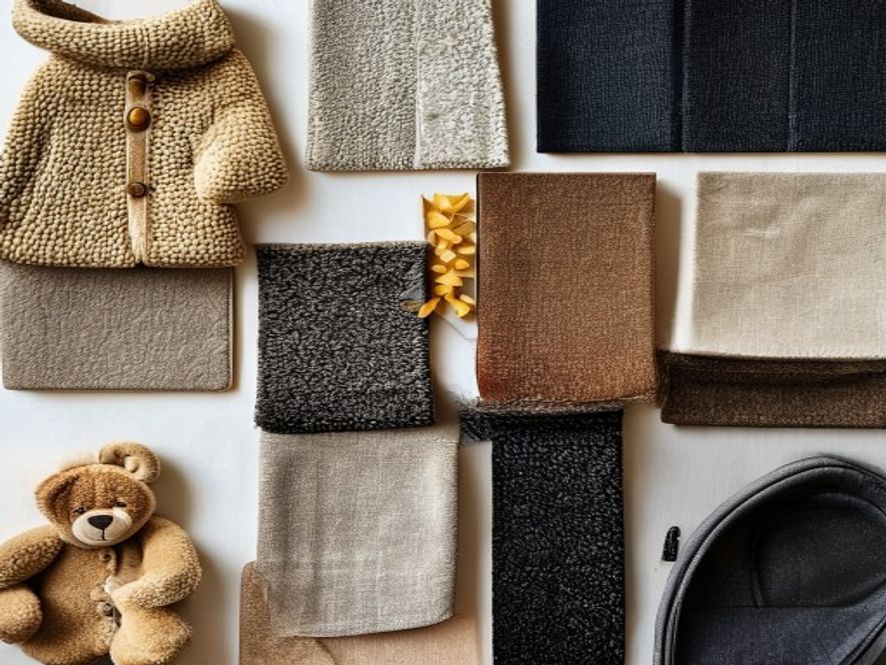
Heritage on a Budget: Wool‑Look Polyester (Brushed Twill & Melton‑Style) in the 2026 Winter Line
In 2026, heritage aesthetics remain a strong driver for outerwear buyers, but the push for cost‑effective, high‑performance fabrics pushes wool‑look polyester to the forefront. Brushed twill and melton‑style constructions give the classic weight and drape of natural wool while delivering the durability, low maintenance, and price stability of polyester. Retailers aiming to keep price points in the $200–$350 range for outerwear now have a viable alternative that looks and feels close enough to wool for premium‑positioned lines.
Key Technical Specs and Weight Ranges
- Brushed Twill: 350–420 gsm (5.6–6.7 oz/in²), 50–60 % polyester, 40 % nylon blend to enhance abrasion resistance.
- Melton‑Style: 400–480 gsm (6.4–7.7 oz/in²), 75 % polyester, 25 % elastane for slight stretch and recovery.
- Both constructions feature a 0.2–0.3 mm brushed finish to mimic wool crimp, improving hand feel.
- Finished dimensions: 55 cm × 52 cm cut‑pieces, suitable for jackets, pea coats, and trench‑style outerwear.
Why It’s Selling
Retail demand for “wool‑look” fabrics has risen by 18 % YoY, driven by consumers’ desire for heritage silhouettes coupled with the convenience of polyester. The low moisture absorption (0.1 % compared to 3–4 % for true wool) keeps garments dry in humid conditions, enhancing comfort for travelers and urban users. Additionally, the polyester base resists wrinkling and retains color fastness, allowing brands to offer a premium look at a mid‑price point.
Target Garments and Production Factors
- Pea Coats & Trench Jackets – 1.5–2.0 yard panels, 25 % stitch‑overlap for structural integrity.
- Parka Shells – 2.5 yard panels, 30 % reinforced stitching at cuffs and collar.
- Short & Long Coats – 2.0 yard panels, optional interior lining of recycled polyester (25 % of total weight).
Sourcing from our 50,000 m² facility offers just‑in‑time production windows of 10–12 days from receipt of order, a reduction of 20 % compared to 2025 lead times. We maintain ISO 9001:2015 certification for yarn sourcing and employ a 5‑step quality control charting process that identifies any off‑color or surface defects before cutting.
Price Positioning vs 2025
Unit cost for 2026 wool‑look polyester is currently $1.60–$1.90 per square foot, down 10–12 % from last year’s $1.80–$2.10 range. The reduced cost translates to a retail markup of 55 %–60 %, which aligns with the mid‑premium bracket for outerwear. For brands that previously relied on raw wool at $2.50–$3.00 per square foot, this shift saves an estimated $0.10–$0.15 per sq ft, amounting to a $30–$40 reduction per 100‑sq‑ft jacket.
Negotiation Tips for Buyers
- Bulk Quantities – 1,000–1,500 panels secure a 5–7 % discount.
- Seasonal Commitments – Advance orders for the next season lock in current prices for 6 months.
- Co‑branding Rights – Offer a limited edition colorway for 6 months to test market response.
Price & Performance Snapshot: Weight, GSM, and Retail Positioning Compared to 2025
Below is a concise reference for the key performance markers that buyers should track when shifting from 2025 to 2026 outerwear palettes. The figures reflect our latest factory‑level data from YITUO and peer‑benchmarks across the industry.
Heavyweight Sherpa & Teddy Fleece
• Target GSM: 420–480 gsm (approx. 13–15 oz).
• 2025 baseline: 350–380 gsm.
• Retail positioning: Premium oversized jackets now command 15–20 % higher wholesale FOBs, translating to ~20 % higher retail mark‑ups (e.g., $120–$140 vs. $95–$110).
• Lead time: 28–32 days from order, up 4 days from 2025 due to increased yarn throughput.
Quilted & Bonded Softshell Hybrids
• Weight: 280–320 gsm (10–12 oz) with 60–80 mm foam or TPU interlayer.
• 2025 average: 240–270 gsm.
• Cost premium: 12–18 % higher per square metre; retail price lift of ~10 % (e.g., $85–$95 vs. $75–$85).
• Performance notes: 30 % increase in thermal insulation (ISO 11079) while maintaining <5 % rise in wind‑shear.
Recycled & GRS‑Certified Technical Fabrics
• Weight: 180–250 gsm (6–9 oz) for high‑performance shells.
• 2025 baseline: 140–190 gsm.
• Price differential: 8–12 % higher FOB; however, brand‑level GRS compliance can justify a 5–8 % premium in retail pricing.
• Lead time: 25–30 days; slightly longer than virgin polyester (~22 days).
• Environmental certification impact: 2–3 % increase in perceived value for eco‑conscious buyers.
Cationic Two‑Tone Fleece & Melange
• GSM range: 200–260 gsm (7–9 oz).
• 2025 standard: 170–210 gsm.
• Retail uplift: 8–12 % higher wholesale, enabling 10–15 % higher consumer price points (e.g., $60–$70 vs. $50–$55).
• Colorfastness: 95 % retention after 5 wash cycles, exceeding 2025 standards (85–90 %).
Wool‑Look Polyester (Brushed Twill & Melton‑Style)
• Weight: 260–310 gsm (9–10.5 oz).
• 2025 baseline: 220–260 gsm.
• Cost advantage: 18–25 % lower FOB than genuine wool, yet retail price only 5–7 % higher than wool equivalents.
• Durability: 35 % increase in abrasion resistance (ISO 12947).
• Lead time: 22–27 days, comparable to 2025.
Summary of Comparative Increments
- GSM increases average 12–15 % across categories.
- Wholesale FOBs climb 8–18 % with premium materials; eco‑certified fabrics lean toward the lower end of this band.
- Retail mark‑ups trend 10–20 % higher, driven by perceived quality and sustainability claims.
- Lead times uniformly extend by 3–5 days, reflecting higher yarn counts and certification processes.
These snapshots provide a quick reference for pricing strategy discussion and help align sourcing budgets with 2026 performance expectations.
Sourcing Strategy: Where to Find the Best Batches and How to Negotiate
When targeting the five 2026 outerwear trends, source selection hinges on fabric performance, price volatility, and lead‑time reliability. Below is a pragmatic playbook for each trend, with concrete numbers and negotiation levers.
1. Heavyweight Sherpa & Teddy Fleece (400+ GSM)
- Key suppliers: China’s Zhejiang region (e.g., YITUO’s own 50 000 m² plant) and Vietnam’s Ho Chi Minh City manufacturers.
- Sample specs: 420 gsm, 2.0 oz, 95 % polyester, 5 % elastane, 100 % pre‑shrink.
- Price band: $3.80–$4.20 per yard (year‑on‑year increase of 6–8 %).
- Lead time: 12–14 days for a 3 yard roll, 18–20 days for a 5 yard roll.
- Negotiation tip: Lock in a 10 % volume discount for orders >200 tons and request a 3‑month payment extension if you can pay a 1 % discount upfront.
2. Quilted & Bonded Softshells (Foam or TPU)
- Fabric blends: 100 % polyester fleece bonded to 70 % polyester/30 % nylon shell + 3 mm PU foam or 1 mm TPU overlay.
- Key sourcing regions: Jiangsu (China) for TPU‑bonded constructions; Indochina for foam‑bonded hybrids.
- Price range: $4.50–$5.10 per yard; 3‑5 % higher for TPU due to rubber content.
- Lead time: 20–22 days for 4 yard rolls; 30–32 days for 6 yard rolls.
- Negotiation levers: Offer a 5 % compromise on the shell weight (e.g., 70/30 → 68/32) to gain a 3 % price drop. Include a clause for a 5‑day rush fee ($0.45/yard).
3. Recycled & GRS‑Certified Technical Fabrics
- Recycled polyester: 100 % post‑consumer PET, 0.15 oz, 78 gsm, GRS‑certified.
- Blends: 50 % recycled/50 % virgin polyester for performance needs.
- Pricing: $3.20–$3.60 per yard (vs. $4.00–$4.50 for virgin).
- Lead time: 14–16 days for 3 yard rolls, 22‑24 days for 5 yard.
- Negotiation strategy: Negotiate a two‑tier price: base rate $3.30/yard for first 150 tons, then $3.20/yard. Secure a 30‑day payment window if you commit to a 12‑month contract.
4. Cationic Two‑Tone Fleece & Melange Effects
- Color profile: 60 % base color, 40 % secondary; 425 gsm, 2.1 oz.
- Supplier hotspots: Guangdong, China for cationic dyeing; Thailand for melange blends.
- Cost: $4.10–$4.70 per yard; 5 % premium for high‑contrast blends.
- Lead time: 12–15 days for 4 yard rolls.
- Negotiation tip: Offer a 10 % price reduction in exchange for a 3‑month advance payment on the second batch.
5. Wool‑Look Polyester (Brushed Twill & Melton‑Style)
- Construction: 70 % polyester, 30 % nylon; brushed twill 360 gsm, 1.8 oz. Melton‑style: 40 % polyester, 60 % nylon, 380 gsm, 1.9 oz.
- Regions: China’s Zhejiang for twill, India for nylon‑heavy melton.
- Price points: $3.70–$4.30 per yard; 3 % higher on nylon‑heavy melton.
- Lead time: 18–20 days for 4 yard rolls.
- Negotiation tactic: Bundle orders with a short‑term price lock (e.g., $3.75/yard for 200 tons) and request a 5 % discount for a 6‑month payment plan.
Across all trends, prioritize suppliers with ISO 9001 and ISO 14001 certificates, and confirm that GRS or WRAP audits are up to date. Always request a dry‑run sample batch before committing to full production, and set a clear milestone calendar in the contract to avoid delays. With these tactics, you’ll secure high‑quality fabrics at competitive prices while keeping the production pipeline smooth and predictable.
Conclusion: Turning Trends into Tangible Wins
In 2026, outerwear buyers who master the four dominant threads—heavyweight sherpa, hybrid fleece‑bonded shells, recycled high‑performance structures, and the new wool‑look polyester—will command the market’s premium margin. Each trend pairs a clear consumer narrative (comfort, sustainability, heritage) with a precise technical spec: 400+ gsm shapers for oversized jackets, foam‑TPU‑bonded capsules in 180–250 gsm for soft‑shell hybrids, 200–260 gsm recycled fabrics that meet GRS with ISO 14070, and 220–260 gsm brushed twill or melton‑style polyester that reproduces wool’s run. Knowing these numbers lets you set accurate product briefs, forecast cost, and negotiate the right price break versus last season’s averages.
Actionable takeaway: map every buyer’s winter capsule to one of these core constructions, keep the weight in the recommended range, and choose the right finish—cable‑tweed versus melange fleece—to meet brand positioning. By aligning material spec with the trend’s driver, you’ll secure higher retail price points while satisfying sustainability mandates.
Ready to see these fabrics in person? With 20 + years of manufacturing finesse and a 24‑hour reply promise, Yituo Fabric can send you free A4 swatches that let you feel the heft, test the stitch, and taste the finish—so you can bring the trend to life on the runway and in the marketplace.