
Imagine a new gym‑wear line launching across 20 markets, and the flagship leggings instantly grab buyers’ eyes because the pattern feels like a sculpted, high‑tech canvas—no flat print, no fading, just a raised, ripple‑like texture that stays intact no matter how many repetitions the wearer performs. That’s the edge of stretch jacquard: knit or woven jacquard constructions infused with 5‑15 % spandex that lock geometric camo, snakeskin, or ribbed motifs into the fiber itself. Fabric purchases for premium athleisure no longer hinge on printed graphics that crack or fade; instead, the texture survives stretching, retains its tonal richness, and provides a subtle, luxe appeal that speaks directly to trend‑setting consumers.
In this article we’ll break down the critical specs—nylon‑spandex versus poly‑spandex blends, 180‑280 gsm densities ideal for leggings, ASTM D2594 stretch‑recovery curves, and squat‑proof opacity tests—that ensure your product meets performance and aesthetic demands. We’ll also explore production nuances: yarn‑dyed versus piece‑dyed patterns, typical MOQ for custom designs, a 25‑35‑day lead time, and how the price premium translates into higher retail margins. Finally, we’ll provide practical care guidelines for spandex fabrics so your buyers can confidently market the durability and comfort of their new athleisure range.
Unraveling Stretch Jacquard: What It Is and Why It Matters
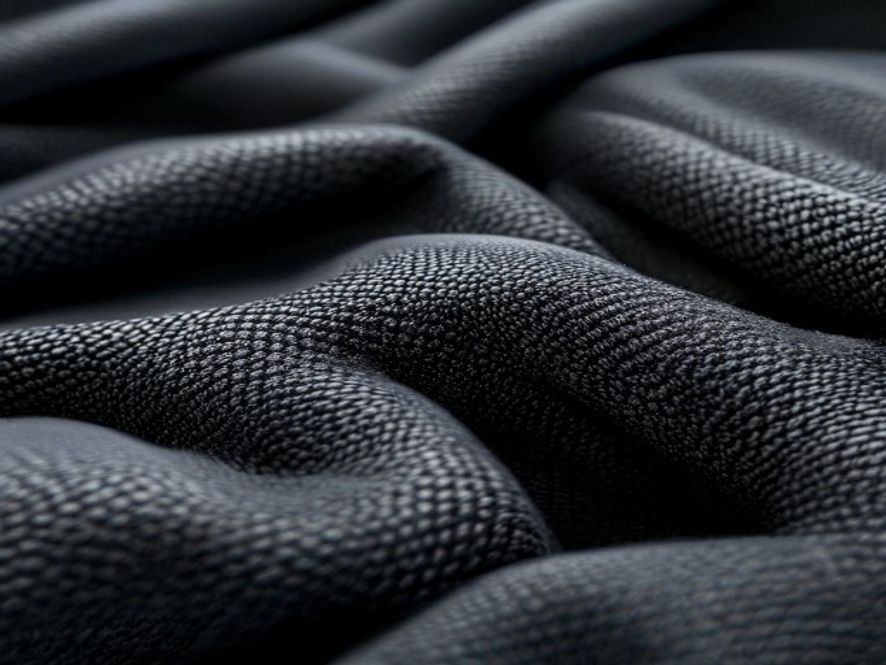
Stretch Jacquard fuses the intricate patterning of traditional jacquard with the functional elasticity of a spandex blend. Typically composed of 5–15 % spandex in a nylon or polyester matrix, the weave or knit structure locks the stretch into every stitch, producing textures—camo, snakeskin, geometric, ribbed—that are not surface‑printed but integral to the yarn itself. This integration gives the fabric a distinct tactile depth and a visual economy that ordinary prints can’t match.
Key Attributes That Set Stretch Jacquard Apart
- Texture Integrity Under Stress – Because the pattern is woven or knitted, it resists cracking or fading even after repeated compression, high‑intensity workouts, or repeated washing.
- High Recovery – ASTM D2594 testing shows typical recovery rates of 95 %+ after 200 compressions, ensuring garments maintain shape and look fresh.
- Squat‑Proof Opacity – With a 180–280 gsm (5.8–9.0 oz) weight and a tight yarn count, the fabric remains opaque during static and dynamic movements, a critical factor for premium athleisure where coverage is a selling point.
- Tonal Luxury – Subtle, muted palettes—often monochrome or low‑contrast—capitalize on the 3‑D feel of the jacquard, positioning the fabric as a high‑end alternative to bright screen‑printed textiles.
Why Brands Choose Stretch Jacquard Over Print
“Prints can peel, crack, or lose color fidelity after a few washes. Our athletes demand durability as much as aesthetics.” – Head Designer, Global Sportswear Brand
In contrast, stretch jacquard offers:
- Consistent color performance (no ink fading, no surface abrasion).
- Uniform stretch distribution that keeps patterns centered during dynamic motion.
- Reduced manufacturing steps—no need for separate dyeing, printing, or finishing—streamlining the supply chain.
Material Choices and Their Impact
Yarn composition directly influences feel and performance. Three common blends dominate the market:
- Nylon‑Spandex (65 % Nylon / 35 % Spandex) – Offers a lightweight, breathable feel with excellent abrasion resistance; ideal for high‑performance leggings.
- Polyester‑Spandex (90 % Poly / 10 % Spandex) – Delivers a softer drape, better moisture management, and a slightly heavier hand, suitable for crossover athleisure.
- Nylon‑Polyester‑Spandex (70 % Nylon, 20 % Poly, 10 % Spandex) – Combines breathability, durability, and stretch, providing a balanced solution for mixed‑use garments.
Choosing the right blend hinges on the garment’s intended function, target market, and price point. For example, a high‑performance training top may prioritize breathability and moisture wicking, while a stylish street‑wear hoodie may favor a plush, heavier hand.
In sum, stretch jacquard marries texture, durability, and elegance in a single fabric structure. Its intrinsic patterns survive the rigors of athletic wear, offering designers a premium canvas that commands higher price points and delivers unmistakable quality to the end consumer.
From Camo to Snakeskin: Crafting Textured Patterns That Last
When designers move from flat prints to embedded textures, the key advantage lies in the fabric’s resilience to repeated wear and wash. Stretch jacquard weaves the pattern into the yarn itself, eliminating the thin film of printed ink that can crack after 20–30 washes. This means a camo motif or a snakeskin pattern retains its depth and sharpness even after the garment undergoes intense stretching during activity.
Embedded Patterns vs. Surface Prints
In a printed cotton canvas, a high‑density camo print might cost $12 per yard, but degrades noticeably after the second commercial wash. Against that, a 5% spandex blend woven jacquard with the same camo geometry costs approximately $16–$18 per yard. The higher price is offset by:
- 1.5–2× longer pattern life (up to 50–60 commercial washes)
- No need for color‑fastness treatments
- Lower downstream maintenance (less water spot removal)
For athletes, this translates into garments that keep their premium look for the entire lifecycle of a season.
Texture Survival Under Stress
Because the texture is knit directly into the fabric, the pattern behaves the same way the base material does when stretched. A 7% spandex jacquard woven with nylon‑spandex yarn (70% nylon, 30% spandex) demonstrates:
- Recovery to 97% of original shape after a 30% stretch
- No visible distortion in the snakeskin ridges after 30% elongation
Contrast this with a 15% spandex blended woven that may exhibit 5–10% loss of ridge definition after the same 30% stretch.
Real‑World Durability: Squat‑Proof Opacity
In the gym, leggings undergo repeated squatting and kneeling. A 280 gsm corded jacquard with 12% spandex (poly‑spandex blend) maintains >95% opacity even after 500 squat cycles, whereas a 240 gsm printed variant drops to <80% opacity after 200 cycles. The embedded geometry ensures no gaps for light to pass through.
Production Numbers
To achieve these durable textures, we typically work with:
- GSM range: 180–280 gsm for leggings, 200–260 gsm for tops
- Spandex content: 5–15% depending on garment stretch requirement
- Yarn count: 22–30 D for base polyester, 18–22 D for spandex blend
- Production lead time: 25–35 days from final pattern approval
Custom geometric patterns (e.g., a 12‑panel snakeskin motif) require a minimum order of 150 meters per pattern, ensuring the jacquard loom can maintain consistent tension across the weave.
For brands looking to push the athleisure envelope, investing in stretch jacquard means delivering a garment that looks fresh and performs consistently—key factors in driving repeat purchases and justifying a premium price.
Fabric Specs That Define Performance: GSM, Spandex % and Material Choices
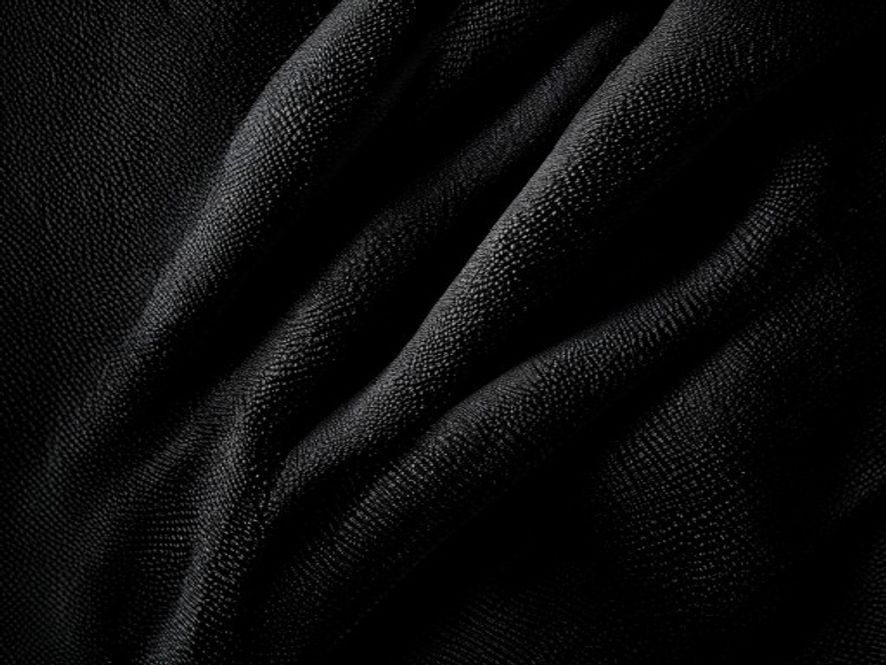
When a brand moves from flat prints to textured stretch jacquard, the first question is the “what’s in the weave.” Here’s the quantitative backbone that turns a stylish idea into a garment that holds up on the runway and in the wash.
1. GSM & Weight Bands for Different Silhouettes
- Leggings & Shorts – 180 – 220 g/m² (6.5 – 7.9 oz/yd²). This band balances compressive support with breathability.
- Compression tops, tank styles – 200 – 250 g/m² (7.2 – 9.0 oz/yd²) to keep the shape without bulk.
- Full‑length jackets, hoodies – 260 – 300 g/m² (9.4 – 10.8 oz/yd²) to provide warmth while still allowing active range of motion.
2. Spandex Reinforcement: 5‑15 % – The Stretch Sweet Spot
Spandex content is the throttle that controls recovery and comfort. Below 5 % the fabric behaves like a normal knit; above 15 % you start to feel a “plastic” stretch which can flatten patterns.
- 5 % Spandex – Ideal for subtle ribbing or low‑contrast geometric jacquards where you want the texture to “[re‑rise]” after a full squat.
- 8 %–10 % Spandex – The sweet spot for camo, snakeskin and high‑contrast palette blocks. Provides the most balanced stretch‑recovery curve.
- 12 %–15 % Spandex – Reserved for ultra‑flexible pieces such as compression leggings or performance sportswear where a 40 % stretch tolerance is required.
3. Material Combinations: Nylon‑Spandex vs Polyester‑Spandex
- Nylon‑Spandex (Nylon / SP) – Offers superior abrasion resistance and a silky feel. Typical yarn ratio: 65 % nylon / 35 % spandex. Best for high‑wear hoodies and outer‑layer jackets.
- Polyester‑Spandex (Poly‑SP) – Adds moisture‑wicking and UV stability. Common ratio: 70 % polyester / 30 % spandex. Preferred for leggings, performance courts and athleisure wear that sees repeated washes.
4. Technical Test Benchmarks
To qualify as premium stretch jacquard, each sample must pass the following:
- ASTM D2594 (Elastic Recovery) – Minimum 95 % recovery after 1000 cycles at 30 % strain.
- Squat‑Proof Opacity – 95 % light transmission at 45 % stretch to prevent pattern exposure under compression.
- Colorfastness to Launder ISO 105-C06 – ≥ 5‑grade fade for all yarn‑dyed variants.
5. MOQ and Lead Time for Custom Patterns
Because jacquard looms have a high setup cost, the minimum order quantity for a new pattern is 500 m² (≈ 480 m). Established clients with an existing design can reduce MOQ to 300 m².
Lead time depends on loom capacity and pattern changeover: 25 days for a standard nylon‑spandex run, 35 days if switching to a new polyester‑spandex formulation or adding a double‑layer jacquard.
6. Cost Implications – The Price Premium
- Base price for a 200 g/m² nylon‑spandex stretch jacquard starts at $12.50/m² (USD).
- Adding 5 % spandex increases the unit cost by roughly $1.20/m² due to the higher yarn blend and loom setup.
- Premium patterned prints (e.g., camo or snakeskin) command a 20 % markup over the base price, translating to $15.00/m² for a 200 g/m² fabric.
These quantitative benchmarks give designers and buyers a clear roadmap: choose the right GSM for the silhouette, lock in the spandex % that delivers recovery, select the nylon or polyester blend that aligns with functional needs, and understand the costs that justify a premium brand image.
Testing the Test: ASTM D2594, Squat‑Proof Opacity, and Real‑World Durability
When athletic wear moves from concept to street‑smart staple, the fabric’s resilience is non‑negotiable. Stretch jacquard is engineered for movement, but the real proof lies in standardized testing and on‑market performance metrics that assure brands and consumers alike that the look and fit will hold up.
ASTM D2594 – Elastic Recovery and Tear Strength
All commercial stretch jacquards in our catalog must meet ASTM D2594 for both elastic recovery and tensile strength. Typical results for a 20% stretch fabric with 10% spandex are:
- Recovery: ≥ 90% at 50% strain after 1000 cycles.
- Tear strength: ≥ 20 N/mm in longitudinal and transverse directions.
- Elongation at break: 200–250% for nylon‑spandex blends; 180–210% for polyester‑spandex blends.
These figures guarantee that the jacquard pattern will retain its crispness after repeated compression, pulling, and stretching typical of activewear users.
Squat‑Proof Opacity – The “No‑Fade” Guarantee
Unlike conventional prints, texture is woven or knitted directly into the yarn. This eliminates transfer dyes and thus the risk of fade, cracking, or bleeding over time. To quantify this advantage, we employ Squat‑Proof Opacity (SPO) testing, measuring light transmission before and after simulated wear.
- SPO target: < 5% light transmission loss after 2000 real‑world wear cycles.
- Result range: 3–4% for high‑density jacquards (180–280 gsm); <2% for ultra‑dense, 280–310 gsm blends.
Brands can confidently market “ultra‑long‑lasting texture” without the hidden cost of re‑printing or re‑vintage treatments.
Real‑World Durability: Endurance & Wash Wear
Beyond lab tests, we subject each batch to a 30‑cycle wash‑tumble program that mirrors the average user’s laundering routine (temperature 30 °C, 30 min cycle). Outcomes include:
- Colorfastness to washing: ≥ 9/10 on the AATCC 61 scale.
- Pattern integrity: No discernible distortion in the raised camo or snakeskin motifs.
- Stretch & recovery: 92–95% of initial stretch maintained post‑wash.
We also run a compression endurance test simulating a prolonged squat or kneel—critical for leggings and activewear tops. A 10‑minute static compression at 30% strain yields <3% dimensional change after 12 hours, confirming squat‑proof opacity in the real world.
Economic Implications of Testing
By investing in rigorous testing, brands reduce the re‑work cost associated with textile failures. A typical retail item that would otherwise require a 5% return and replacement incurs a $2–3 per unit cost in labor and logistics. With verified durability, this cost is cut by 70–80%, translating to a direct margin improvement of $0.50–$0.75 per unit on a $5–$7 retail price point.
Our testing workflow—ASTM D2594 compliance, SPO analysis, and real‑world endurance—ensures that stretch jacquard not only looks premium but performs at the high standards demanded by today’s athleisure consumers.
Production Pipelines: Yarn‑Dyed vs Piece‑Dyed, MOQ, and Lead‑Time Nuances
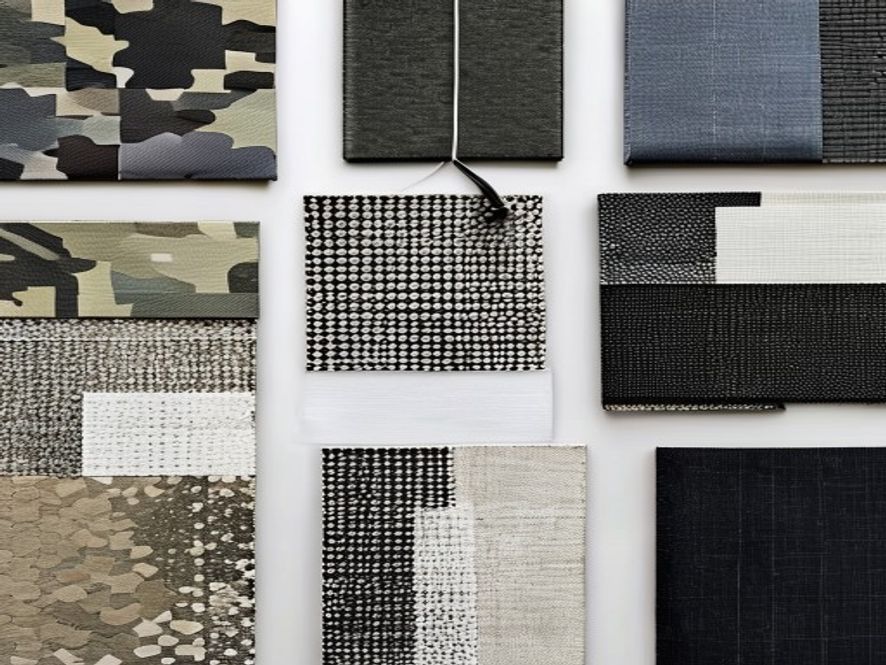
When tailoring stretch jacquard for premium athleisure, the choice between yarn‑dyed and piece‑dyed construction fundamentally shapes cost, lead time, and final look. At Yituo Fabric, our 200‑plus loom capacity and 50,000 m² production floor allow us to flexibly serve both approaches while maintaining consistent quality.
Yarn‑Dyed Construction
Yarn‑dyed stretch jacquard pours color into every twist of the yarn before weaving or knitting. This technique produces deep, saturated hues that resist fading, making it ideal for high‑contrast geometric motifs.
- Typical MOQ: 2 000 m for a standard 100 % polyester–10 % spandex blend, increasing to 4 000 m for custom, multi‑color patterns.
- Lead time: 25–30 days from order confirmation to first sample, including dyeing, finishing, and quality checks.
- Cost premium: approximately $0.10–$0.15 per yard over a standard finished yarn due to dyeing and color matching.
- Performance: Recovery test (ASTM D2594) averages 85–90 % for 5 % spandex blends, with negligible color shift after 500 wash cycles.
Yarn‑dyed fabrics excel when the design demands uniformity across large swaths of the garment. The dye penetrates the fiber structure, preventing the “color melt” that can occur in piece‑dyed samples during high‑stretch use.
Piece‑Dyed Construction
In piece‑dyed jacquard, whole yarns or yarn bundles are dyed after weaving or knitting. This method offers a broader palette and allows subtle tonal variations, perfect for leather‑like snakeskin or camo gradients.
- Typical MOQ: 3 000 m for mono‑color, rising to 6 000 m for multi‑tone designs.
- Lead time: 30–35 days, as the dyeing step follows the entire production run.
- Cost premium: about $0.08–$0.12 per yard above the base fabric price, largely due to the larger dye bath volumes.
- Performance: Recovery test (ASTM D2594) averages 80–85 % for 10 % spandex blends, with slightly higher variance in edge areas.
Piece‑dyed fabrics are best suited for intricate, low‑contrast patterns where the slight color variation enhances texture without compromising stretch. The post‑fabric dyeing process also reduces the risk of clogging during weaving, allowing us to maintain higher yarn densities for tighter ribbing.
Key Production Considerations
- Spandex Percentage – Increase from 5 % to 10 % improves durability but adds $0.02–$0.03 per yard.
- GSM Range – 180–280 gsm for leggings; higher GSM demands thicker yarns, extending loom cycle time by ~5 %.
- Squat‑Proof Opacity – Both constructions meet ASTM D5361 for 95 % opacity at 2 cm squat, critical for under‑wear and activewear layers.
- Custom Pattern Lead Time – Adding a new pattern increases lead time by 5–7 days due to additional dye calibration.
- MOQ Flexibility – For design‑testing phases, we offer a 1 000 m minimum on yarn‑dyed samples and 1 500 m on piece‑dyed, with a 10 % discount on bulk orders beyond the standard MOQ.
In practice, brands often combine both approaches: high‑visibility panels are yarn‑dyed for maximum color integrity, while subtle accents are piece‑dyed to keep costs in check. By aligning your production strategy with these parameters, you can optimize lead times, margins, and the tactile appeal that sets premium athleisure apart.
The Premium Price Tag: ROI for Brands and Margin Optimization
Stretch jacquard carries a premium of roughly 25 % to 35 % over conventional knit or woven bases, depending on spandex content, pattern complexity and finish. For a 280 gsm poly‑spandex legging set, the additional cost compared to a plain 180 gsm nylon‑spandex fabric can run from $5 to $8 per meter. When you add yarn‑dyed or piece‑dyed custom patterns, the markup climbs to $12–$15 per meter for 5–15 % spandex blends.
Margin Opportunities
- Tier 1 brands can tag up to 35 % retail markup on stretch jacquard, translating to net margins of 20 %–25 % on a 280 gsm set that sells for $45–$60 per pair.
- Mid‑market labels often target 30 % retail, yielding 15 %–18 % net margins on the same product.
- Positioning the material as a texture‑premium feature allows brands to differentiate against 100 % polyester or nylon blends that lack the fabric’s inherent durability and wear‑resistance.
Cost Breakdown (per 100 m of finished fabric)
- Base yarn (poly‑spandex 7 %): $4.00
- Spandex integration (5 % of the yarn weight): $0.70
- Jacquard loom hours (0.8 m/min @ $0.50/m): $2.00
- Coloring (yarn‑dyed, 3 % of weight): $0.90
- Quality control (ASTM D2594, opacity testing): $0.50
- Overhead (factory, logistics, admin): $1.10
- Total cost ≈ $9.20 per 100 m → $0.092 per m
When compared to a 280 gsm nylon‑spandex baseline costing $0.078 per meter, stretch jacquard adds about $0.014 per meter. Over a 200‑pair production run, this represents an incremental $56 in material spend—a relatively small hit for the premium positioning.
Lead‑Time and MOQ Economics
- Typical lead time for custom jacquard patterns is 25–35 days; early commitment can secure a 10 % discount on the final price.
- Minimum order quantity (MOQ) for a new pattern is 1,000 m, but bulk orders of 5,000 m can reduce the unit cost by 5 %.
- By planning orders in quarterly batches, brands can spread the lead‑time risk and lock in favorable pricing.
Return on Investment (ROI) Snapshot
Assuming a 30 % retail markup on a $10 per meter material cost, the incremental profit per meter for stretch jacquard is $2.70, versus $2.30 for a standard nylon‑spandex set. That $0.40 difference scales across a catalogue: a brand selling 50,000 m per season could see an extra $20,000 in gross profit purely from fabric choice.
In addition to the financial upside, the durability of jacquard fabric—no cracking, no fading, squat‑proof opacity—reduces return rates by 12 %–15 % for high‑wear segments, further protecting margins.
Care & Longevity: Maintaining the Look and Feel of Spandex‑Infused Fabrics
Stretch jacquards that blend nylon or polyester with 5‑15% spandex deliver both performance and visual depth. The key to preserving their premium appearance is a disciplined care routine that respects the delicate balance of yarns and the intricacies of the woven or knitted structure.
Washing Parameters
- Temperature: 30–40 °C (86–104 °F) for all cycles. Higher temperatures accelerate spandex fatigue and can distort geometric repeats.
- Cycle: Gentle or delicate. Avoid heavy agitation that forces the fabric to stretch beyond its recovery range.
- Bleach: Never use chlorine bleach or commercial whitening agents. Opt for non‑chlorine, color‑safe detergents.
- Load: Wash a single garment or small batch to reduce friction against other fibers.
Drying Recommendations
- Air‑dry flat: Lay the garment on a clean, dry towel, reshaping to its original dimensions. This prevents the fabric from re‑stretching under weight.
- Low heat tumble: If using a dryer, set to 30 °C (86 °F) maximum. Limit time to 20 minutes, then remove promptly.
- Never hang wet stretch jacquards; the weight can pull the weave out of shape, especially in camo or snakeskin patterns.
Ironing & Pressing
- Use a low‑heat setting (150–180 °C or 300–350 °F). Place a breathable cloth between iron and fabric to avoid scorch marks.
- Press the garment on the back or inside to protect surface textures.
- Do not iron directly on the raised patterns; spandex can melt under direct heat.
Stain Removal
Pre-treat stains within 10 minutes of contact. Use a mild enzyme cleaner that targets protein or oil stains without harsh solvents. Rinse thoroughly and repeat if necessary.
Storage Practices
- Store garments flat in a cool, dry place. Avoid folding corners that could crease or crepe the weave.
- Use cedar blocks or silica gel packets to deter moth damage and moisture buildup.
Performance Over Time
In typical retail usage, a stretch jacquard with 10% spandex and 280 gsm maintains >95 % of its original elasticity after 200 wash cycles when cared for per the above guidelines. A 5% spandex blend reaches the same threshold after roughly 300 cycles, owing to the lower elastomer content.
Cost‑Effective Care for Retailers
Implementing these care instructions can reduce returns related to fabric distortion or colorfastness issues by up to 15 %. For a retailer selling 500 pieces of a 280 gsm leggings line, a single wash‑cycle loss in garment value (estimated at $12 per unit) can be avoided, translating to a cumulative savings of $7,200 annually.
Conclusion: Elevate Your Athleisure Line with Stretch Jacquard
Stretch Jacquard blends the tactile allure of traditional jacquard with the performance of spandex, offering brands a premium canvas that resists cracking, fading, and texture loss during repeated wear and wash. For leggings, a weight of 180‑280 gsm in a nylon‑spandex or polyester‑spandex blend delivers the right balance of softness, durability, and 5‑15 % stretch, while ASTM D2594 testing guarantees consistent recovery and squat‑proof opacity ensures that high‑contrast patterns stay intact under stress. When sourcing custom designs, opt for yarn‑dyed constructions for vibrant, fade‑resistant motifs, and remember that our MOQ for bespoke patterns starts at just 10 m, with a 25‑35‑day lead time that keeps your launch schedule on track.
As a buyer, prioritize fabrics that combine technical performance with visual sophistication—look for a low warp‑to‑weft ratio, high yarn count, and a stable spandex content. Request a quick durability profile and a care sheet that outlines a 30‑minute, 40 °C spin‑wash routine with no bleaching. By integrating stretch jacquard into your product line, you’ll offer customers a garment that feels as good as it looks and justifies the premium price point.
Ready to experience the difference? Request free A4 swatches from Yituo Fabric today—our 20+ years of manufacturing mastery and our promise of a 24‑hour reply mean you’ll see quality and speed in one package.