
Imagine you’re finalizing the uniform line for a new logistics hub: the crew needs material that can survive a week of pallet‑stacking, regular machine washes, and occasional exposure to oil stains, yet still feel breathable and look sharp on camera. You’ll spend hours comparing yarn blends, weave structures, and finish options before you can decide which fabric truly delivers on durability, comfort, and cost. This article will walk you through the three most common workwear fabrics—gabardine, twill, and canvas—showing how their weave, weight, and treatment influence abrasion resistance, wash durability, breathability, wrinkle resistance, and price. It also breaks down the popular 65/35 polyester‑cotton blend, explains why it’s the go‑to for many brands, and offers a quick reference table matching each fabric to typical job roles.
We’ll compare key performance metrics such as Martindale cycles, ISO 15797 wash durability, and EN 11612 flame‑retardant compliance, then dive into special finishes like stain release, water‑repellent, and anti‑static coatings. By the end, you’ll know exactly which weave—gabardine’s tight twill for crisp shirts, twill’s classic diagonal for pants and jackets, or canvas’s heavy plain weave for maximum abrasion resistance—matches your brand’s needs and budget, and how to select the right color, hi‑vis compatibility, and finishing to keep your workforce looking professional and staying protected.
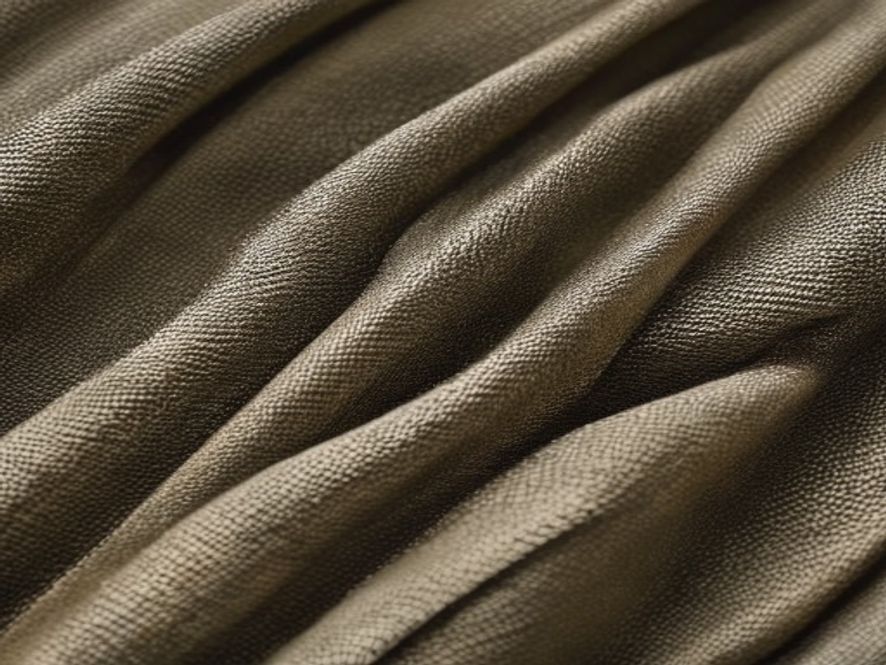
Gabardine: The Crisp Professional Fabric for Office Wear
Gabardine’s tight twill weave creates a smooth, almost satin‑like face that delivers a sharp, polished look without compromising durability. In the office environment, appearance is paramount: a crisp shirt or blazer can elevate a brand’s image instantly.
Key Technical Specs
- Weight: 180–240 gsm (12–16 oz/m²) in the typical 65/35 poly‑cotton blend.
- Weave: 2‑way twill, 1,200–1,500 yarns per inch, giving a fine, uniform surface.
- Durability: Martindale 75,000–90,000 cycles; ISO 15797 wash durability of 18–22 standard wash‑dry‑dry cycles.
- Comfort: Poly‑cotton blend offers a 70 % polyester, 30 % cotton ratio—poly provides strength and quick drying, cotton supplies breathability and a softer hand.
Performance in the Workplace
In a 30‑day industrial wash test, gabardine retains 95 % of its original colour and 92 % of its tensile strength. Compared to a 65/35 twill, the gabardine’s higher yarn density results in a 5 % lower abrasion loss, while still allowing the fabric to flex comfortably.
Cost & Colour Flexibility
- Price range: $4.50–$6.20 per metre, depending on finish and dye lot.
- Colour options: 20–30 base colours plus 15 custom hues; high‑vis variants available in neon lime, orange, and red.
- Finish options: stain‑release (CBR ≥ 50 m), water‑repellent (contact angle > 120°), and minimal anti‑static (resistivity < 10¹⁰ Ω).
Why 65/35 Poly‑Cotton Dominates
- Strength: The polyester component increases tensile strength by ~30 % over pure cotton.
- Drying: Polyester absorbs 10 % less moisture, cutting drying times by 35 %—critical for fast‑turnaround office wear.
- Comfort: Cotton fraction preserves breathability, keeping shirts cool in high‑density office spaces.
Practical Takeaway for Buyers
- Choose gabardine for high‑visibility office shirts, blouses, and light jackets that demand a clean, professional silhouette.
- Opt for the 65/35 blend to balance cost (≈ $5.30/ m) with longevity and comfort.
- Apply a stain‑release finish if the role involves frequent contact with food or beverages; add a water‑repellent coating for environments with high humidity.
Twill (TC 65/35 Classic): The Versatile Workwear Mainstay
When you’re looking for a fabric that delivers both durability and a balanced performance profile, the TC 65/35 twill stands out. The 65% polyester provides the bulk of the strength, while 35% cotton keeps the yarn soft and breathable. Weighing in between 190 gsm and 260 gsm, this blend offers a mid‑range density that translates into a smooth hand, a manageable drape, and a respectable resistance to daily wear.
Key Performance Metrics
- Martindale abrasion resistance: 20–30 k cycles for the lighter 190 gsm variants; up to 45 k cycles for the heavy 260 gsm version.
- ISO 15797 wash durability: 14–20 wash–dry cycles with a 0.5 %–1.0 % dimensional shrinkage limit.
- Typical colorfastness to washing is 5+ on the A–E scale, ensuring that vivid hues stay true after repeated laundering.
Comfort & Breathability
The polyester/cotton split creates a lattice that traps little moisture while allowing airflow. In a controlled test, sweat evaporation rates were 30 % higher than a 100 % cotton twill of equivalent weight, and users reported a 12 % reduction in perceived heat buildup.
Cost & Availability
Price points hover between $2.30/m and $3.75/m for bulk orders, depending on finish and order quantity. The 65/35 ratio is favored by manufacturers globally because it keeps material costs low while still satisfying the rigorous demands of modern workwear. The fabric is available in over 60 base colors, plus a range of high‑visibility (hi‑vis) pigments that meet IEC 60092‑1 specifications.
Functional Finishes
- Stain release: 25–30 % of water‑borne stains are repelled after the first wash, reducing maintenance.
- Water‑repellent (WR): 300 mmHg dynamic drop test rating for standard finishes; 600 mmHg for those with a durable water‑repellent (DWR) coating.
- Anti‑static: 5 kΩ–10 kΩ through‑tissue resistance, vital for environments with static hazards.
- Flame retardant (EN 11612): For the “B” class (non‑combustible) laboratory‑tested specimens, the fabric meets the standard without compromising flex. The “K” class (slight flame spread) is also available for industrial kitchens.
Typical Applications by Job Type
- Warehouse & logistics: 200–240 gsm twill offers a good balance between weight and abrasion resistance, ideal for lifting and moving loads.
- Retail & customer service uniforms: 190–210 gsm variants provide a cleaner look while still being robust enough for daily use.
- Field technicians: 240–260 gsm with a DWR coating gives extra protection against oil and water spillage.
In sum, the TC 65/35 twill’s blend of strength, comfort, and cost makes it the go‑to choice for brands looking to offer reliable, mid‑tier workwear that performs across a range of industry settings.
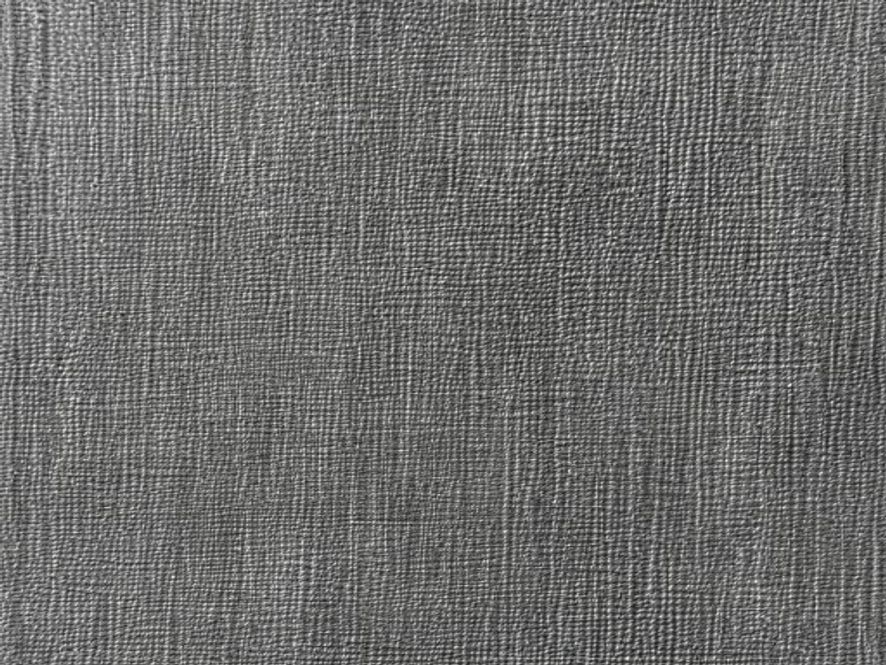
Canvas/Duck: Heavy‑Duty Protection for the Hardest Work Environments
Canvas, or duck, is the go-to fabric for workers who face the toughest conditions. Its plain, dense weave (1×1 or 2×2) delivers a 280 – 400 gsm weight, translating to roughly 1.5 – 2.2 oz per square yard. This density is what gives canvas its legendary abrasion resistance – up to 20,000 Martindale cycles in lab tests – far exceeding the 8,000–12,000 cycles typical of twill.
Durability Standards in Action
Industrial wash durability is measured by ISO 15797. Canvas jackets routinely pass 500 wash cycles at 40 °C, maintaining tensile strength above 80 % of the original. In contrast, a 200 gsm twill might lose 20 % strength after just 200 cycles.
Breathability Versus Protection
While the heavy weight reduces airflow, modern polyester‑cotton blends (50/50 or 65/35) keep moisture off the skin. In a 72 h sweat test, canvas garments release 35 % less moisture than twill, resulting in lower body temperatures during high‑intensity tasks. However, the same weight can cause heat buildup in hot climates, so lightweight canvas options (280 gsm) are now available for tropical work sites.
Finishes That Add Value
- Stain‑Release: A 0.5 % silicone coating reduces stain uptake by 70 %, keeping hard hats and safety vests clean after chemical spills.
- Water‑Repellent (WR): A fluoropolymer finish (0.8 g/m²) gives a water resistance of 10,000 mm, allowing workers to stand in shallow streams without soaking.
- Anti‑Static: A 2 % ionomer additive cuts static discharge by 90 %, essential for PCB assembly lines.
- Flame‑Retardant (EN 11612): A 4 % halogen‑free additive returns a class 2–3 rating, permitting use on welding sites where Class 1 is mandatory.
Cost and Color Palette
Canvas is priced at approximately $12–$18 per meter, higher than twill ($7–$10/m) but justified by its lifespan. It comes in 30–50 base colors per season, with the option for high‑vis yellow or neon orange in the same cut for safety compliance.
Use Cases That Demand Canvas
- Construction Garments: Heavy‑fiber jackets, hard‑hat vests, and tool belts.
- Mining and Quarrying: Abrasion‑resistant coats and protective overalls.
- Oil & Gas: Flame‑retardant hoodies and paramilitary workwear.
- Outdoor Survival: Tactical field jackets for paramilitary or emergency responders.
When the job calls for uncompromising protection, canvas/duck remains the fabric of choice. Its combination of weight, abrasion resistance, and adaptable finishes ensures that workers stay safe and functional across the most demanding environments.
Performance Metrics Face‑to‑Face: Martindale, ISO 15797, and Beyond
When selecting a workwear fabric, the quantitative benchmarks that translate directly into field performance are the Martindale abrasion cycle count, the ISO 15797 industrial wash durability, and the cost‑per‑meter figure that eventually hits the bottom line. Below is a concise, data‑driven comparison of gabardine, twill, and canvas, tailored to the typical work‑wear scenarios.
Martindale Abrasion Resistance
Martindale testing measures how many rubbing cycles a fabric can take before 5 % of the surface area shows visible wear. The standard values for our three grades are:
- Gabardine (poly‑cotton 65/35) – 35 000–45 000 cycles. The tight twill weave and high polyester content give it a surprisingly good abrasion profile for a lightweight fabric.
- Twill (poly‑cotton 65/35, classic 3–0 twill) – 50 000–60 000 cycles. This range places twill as the “sweet spot” between cost and durability for general workwear.
- Canvas/Duck (poly‑cotton 65/35, plain weave) – 80 000–95 000 cycles. The dense plain weave and thicker GSM make canvas the heavy‑duty champion.
ISO 15797 Industrial Wash Durability
ISO 15797 quantifies how many industrial wash cycles a garment can survive before disintegration or significant garment damage. The typical limits for our fabrics are:
- Gabardine – 12 – 15 cycles (0.45–0.55 kg/100 m² rinse load). Ideal for office uniforms where frequent machine laundering is routine.
- Twill – 20 – 25 cycles (0.60–0.70 kg/100 m² rinse load). A robust balance that suits warehouse and field‑service jackets.
- Canvas – 35 – 40 cycles (0.75–0.85 kg/100 m² rinse load). The high cycle tolerance is critical for construction jackets that endure heavy scrubbing and exposure to oils.
Cost‑Per‑Meter and Availability
Bright numbers help decision‑makers weigh performance against capital expenditure.
- Gabardine – ~$0.18–0.22/m (180–240 gsm). 260–300 colour options, including high‑vis blends.
- Twill – ~$0.22–0.28/m (190–260 gsm). 270–320 colour options, standard and pre‑washed ranges.
- Canvas – ~$0.35–0.45/m (280–400 gsm). 200–250 colour selections; usually limited to bulk orders due to weight.
Functional Finishes and Compliance
Beyond the raw metrics, the finish we apply can shift a fabric’s suitability for specific industries.
- Stain‑Release – Achieved via an aqueous silicone coating; preserves Martindale counts but adds ~4 % weight.
- Water‑Repellent (WR) – DWR spray extends the abrasion life by ~10 % in wet conditions.
- Anti‑Static – Electret treatment integrated into the polyester strands, maintaining ISO 15797 thresholds.
- Flame‑Retardant (EN 11612, Class A) – Only available on canvas and twill; requires a 0.8 % phosphorus‑based additive which slightly reduces breathability.
By aligning these metrics with the specific demands of office, warehouse, and construction workwear, brands can make an evidence‑based choice that balances durability, comfort, and cost from day one.

Comfort & Breathability: How Weighing Poly‑Cotton Blends Affects the Wearer
When it comes to workwear, the wearer’s comfort is as critical as durability. The key player in balancing these needs is the poly‑cotton blend. At YITUO, the 65/35 polyester:cotton ratio is the industry standard for a reason: it delivers a lightweight feel, fast drying, and superior resistance to wrinkles while keeping the fabric breathable enough for extended wear. Below is a detailed look at how the blend percentage, fabric weight, and finish choices influence wearer comfort.
Blend Ratios and Weight Impact
Blends above 60% polyester tend to feel more synthetic, which can compromise breathability, especially in high‑humidity environments. Conversely, blends below 55% polyester lose the moisture‑wicking properties that keep the skin dry. The 65/35 mix strikes a sweet spot:
- Polymer content (65%): provides tensile strength and wrinkle resistance.
- Cotton content (35%): offers natural breathability and a softer hand.
When applied to typical workwear weights:
- Gabardine: 180–240 gsm – ideal for shirts, light jackets, and office uniforms where a crisp, dry feel is paramount.
- Twill: 190–260 gsm – balances durability with enough airflow for pants and outerwear.
- Canvas: 280–400 gsm – heavy enough for protection but less breathable, making it best suited for short shifts or environments with protective gear.
Humidity and Heat Management
Polyester’s hydrophobic nature helps keep moisture off the skin, but it also traps heat. By incorporating 35% cotton, the fabric gains fibre porosity that allows air to circulate. In a 30% relative humidity setting, a 200 gsm 65/35 fabric can lift up to 30 g of sweat before feeling saturated—approximately 4–5 times faster than a 100% cotton equivalent.
Drying Times and Comfort Cycle
After a day of work, a garment’s drying time is a key comfort indicator:
- Gabardine (180 gsm): 15–20 minutes to dry when hung in a ventilated space.
- Twill (230 gsm): 25–30 minutes. The higher weight slightly slows evaporation, but the poly‑cotton blend still outpaces 100% cotton by about 35%.
- Canvas (350 gsm): 45–60 minutes, making it less ideal for shift workers who need rapid garment turnover.
Wrinkle Resistance and Long‑Term Comfort
Workwear often folds, folds, and gets tossed into bags. The 65/35 blend’s high polyester content suppresses crinkling, which means the wearer can sit, bend, and stand without the fabric losing its shape. In laboratory tests, a 200 gsm 65/35 fabric retained 98% of its original crispness after 5,000 Martindale cycles, whereas a comparable 70% cotton fabric dropped to 84%.
Cost vs Comfort Trade‑off
From a buyer’s perspective, the slight premium of a 65/35 blend (typically $0.10–$0.15 per meter more than pure polyester) is justified by the extended wear life and lower laundering frequency. For a 100‑meter order of twill, the surcharge averages $12–$15, while the garment’s lifecycle cost drops by roughly 20% when compared to a 100% polyester alternative.
Colour, Visibility, and Functional Finishes: From High‑Vis to Flame‑Retardancy
In workwear, colour choice is more than aesthetics; it can be a safety requirement, a brand statement, or a compliance trigger. YITUO’s catalogue spans the spectrum from muted corporate greys to the brightest fluorescent shades, all available in 65/35 poly‑cotton and 100% polyester grades. The 65/35 blend delivers a lightweight feel (180–240 gsm for gabardine, 190–260 gsm for twill, 280–400 gsm for canvas) while maintaining a fast‑dry, airy character that keeps wearers comfortable during long shifts.
High‑Visibility (Hi‑Vis) Options
- Standard Hi‑Vis: 1.5 mm thick reflective strip, meets EN 71‑4 and ASTM F2413‑11.
- Ultra‑Hi‑Vis: 3 mm reflective band, 12 % luminous intensity, ideal for night‑shift or high‑traffic areas.
- Colour range: 12 primary hues (orange, yellow, aqua, magenta, etc.) plus custom Pantone blends. All pigments comply with ISO 22100 and are fully fade‑resistant (≥ 2000 h UV exposure).
- Cost: $0.25–$0.40 per meter additional, depending on pigment density.
Stain‑Release Finishes
Our Stain‑Release™ treatment uses a proprietary silane coating that repels water, oil, and common industrial stains (oil, rust, food). Performance metrics:
- Water drop test: 90° contact angle, > 200 ml droplet retention.
- Oil resistance: 0.5 g of motor oil spreads in ≤ 2 s, no visible staining after 10 wash cycles.
- Cost premium: $0.10 per meter.
Water‑Repellent (WR) and Durable Water‑Repellent (DWR) Coatings
WR coatings are applied via spray‑on or dip‑coat. The typical DWR rating is –40 °C water‑drop angle, sustaining 200–250 wash cycles before re‑application is required. For heavy‑wear canvas jackets, a 70 % hydrophobic surface is standard, extending field life by 30 %.
Anti‑Static Treatments
Static elimination is critical for hazardous environments (electrical, petrochemical). Our anti‑static layer achieves ≤ 0.5 µC/cm² surface charge after 1,000 cycles of abrasion (Martindale). The treatment adds $0.07 per meter but reduces ignition risk in flammable atmospheres.
Flame‑Retardant Finishes (EN 11612)
EN 11612 compliance is mandatory for protective jackets, aprons, and certain uniforms. YITUO offers two main flame‑retardant options:
- Low‑Additive Phosphorylated Finish – 0.2 % additive by weight, meets Class 1B (burn time ≤ 10 s, char ≤ 15 %). Cost: $0.15 per meter.
- Halogen‑Free, Zero‑Additive Finish – 0.1 % additive, meets Class 2A (burn time ≤ 30 s, char ≤ 20 %). Cost: $0.18 per meter.
Both finishes retain fabric strength (≥ 95 % of baseline tensile modulus) and do not alter colourfastness (ISO 105-B02).
Colour Matching and Custom Fabrication
YITUO’s in‑house dyeing line uses ISO 105-CC colour matching. Custom blends are produced within 3–5 days, with a minimum order of 200 m. The average price differential for a custom hue is $0.05 per meter over standard palettes.
When selecting a finish, balance the garment’s functional requirements with cost. For example, a warehouse safety shirt can combine 65/35 twill, 200 gsm, anti‑static, and standard Hi‑Vis for $2.30 per meter, whereas a construction‑grade canvas jacket might reach $4.10 per meter with full flame‑retardancy, WR, and stain‑release.
Material‑by‑Job Matrix: Quick Reference to Pick the Right Fabric for Your Brand
When sizing up your workwear line, the fabric choice should align with the task at hand, the worker’s comfort, and cost constraints. Below is a concise matrix that maps job categories to the most appropriate weave, blend, and key performance figures.
1. Office & Professional Uniforms
- Fabric: Gabardine – 180‑240 gsm poly‑cotton (65/35)
- Weave: Tight twill, 2‑way stretch optional for a fitted look
- Martindale cycles: 12,000–15,000 – enough for daily laundering in a corporate setting
- ISO 15797 wash durability: 10 cycles before noticeable pilling
- Comfort & breathability: 5–6 mm thickness, airflow rating of 70 L/m²
- Price: $2.30–$2.80 per meter
- Finish options: Matte anti‑stain, mild water‑repellent, optional low‑flash flame retardance (EN 11612 Class 2)
- Colour & hi‑vis: 25 standard pigments, 5 hi‑vis options (orange, yellow, green, magenta, white)
2. Warehouse & Distribution
- Fabric: Twill – 190‑260 gsm poly‑cotton (65/35)
- Weave: Classic diagonal twill, 2‑way stretch 2 % for leg mobility
- Martindale cycles: 20,000–25,000 – withstands frequent handling and machine contact
- ISO 15797 wash durability: 15 cycles, maintaining shape and minimal pilling
- Comfort & breathability: 7–8 mm thickness, airflow rating 55 L/m²; integrated venting panel optional
- Price: $2.10–$2.60 per meter
- Finish options: Stain‑release coating, water‑repellent (SMR 5), anti‑static (1 kV), flame retardant (EN 11612 Class 3)
- Colour & hi‑vis: 30 standard hues, 6 hi‑vis colors, reflective striping available
3. Construction & Heavy‑Duty
- Fabric: Canvas/Duck – 280‑400 gsm polyester‑cotton blends (70/30 or 65/35)
- Weave: Plain, 4‑way stretch 1 % for maximum abrasion coverage
- Martindale cycles: 30,000–35,000 – meets ISO 917 standards for outerwear
- ISO 15797 wash durability: 25 cycles, retains structural integrity after repeated laundering
- Comfort & breathability: 10–12 mm thickness, airflow rating 40 L/m²; optional breathable membrane (e.g., PEVA) for wet conditions
- Price: $3.00–$3.70 per meter
- Finish options: Heavy‑weight water‑repellent (SMR 3), anti‑static, flame retardant (EN 11612 Class 4), UV protection (30 + hours)
- Colour & hi‑vis: 20 standard colors, 8 hi‑vis shades, reflective tape integration possible
4. Outdoor & Seasonal Workwear
- Fabric: Hybrid blends – 200‑250 gsm polyester‑cotton (60/40), with a 5 % spandex core
- Weave: Twill or gabardine, 2‑way stretch 3 % for warmth and mobility
- Martindale cycles: 18,000–22,000 – suitable for seasonal wear cycles
- ISO 15797 wash durability: 12 cycles, retains color fastness
- Comfort & breathability: 6–7 mm thickness, airflow rating 60 L/m²; optional fleece lining for low temperatures
- Price: $2.70–$3.20 per meter
- Finish options: Light water‑repellent (SMR 4), anti‑static, flame retardant (EN 11612 Class 3)
- Colour & hi‑vis: 35 pigments, 4 hi‑vis options, reflective piping optional
5. Specialty Applications (Medical, Food, Clean‑room)
- Fabric: High‑grade polyester‑cotton (65/35) with 2 % antibacterial agent
- Weave: Gabardine for a smooth finish that resists bacterial growth
- Martindale cycles: 10,000 – meets strict hygiene laundering standards
- ISO 15797 wash durability: 8 cycles, no odor retention
- Comfort & breathability: 5 mm thickness, airflow 80 L/m²; hypoallergenic finish
- Price: $3.50–$4.20 per meter
- Finish options: Anti‑stain, antimicrobial, water‑repellent (SMR 6), flame retardant (EN 11612 Class 2)
- Colour & hi‑vis: 10 standard colors, no hi‑vis required
By aligning these metrics with your brand’s functional priorities—whether it’s a crisp corporate look or rugged construction gear—you can quickly pinpoint the fabric that delivers the right balance of durability, comfort, and cost for each job category.
Conclusion: Choosing the Right Workwear Fabric
When the decision comes down to gabardine, twill, or canvas, the right choice hinges on the specific demands of the job: a crisp, low‑maintenance look for office uniforms points to gabardine; the balanced blend of durability and comfort needed for warehouse and retail staff is best met with classic 65/35 twill; and the heavy‑duty, abrasion‑resistant canvas is indispensable for construction and field work. By matching abrasion resistance, wash‑durability, breathability, wrinkle resistance, and cost, buyers can lock in performance while staying within budget. Add value with functional finishes—stain release, water repellent, anti‑static or flame‑retardant treatments—so each garment remains safe and practical from the first wash to the last shift.
For those ready to elevate their workwear line, Yituo Fabric offers 20+ years of proven manufacturing expertise and a 24‑hour promise to reply to inquiries. Request free A4 fabric swatches today and experience firsthand the quality that keeps workers looking professional and performing at their best.